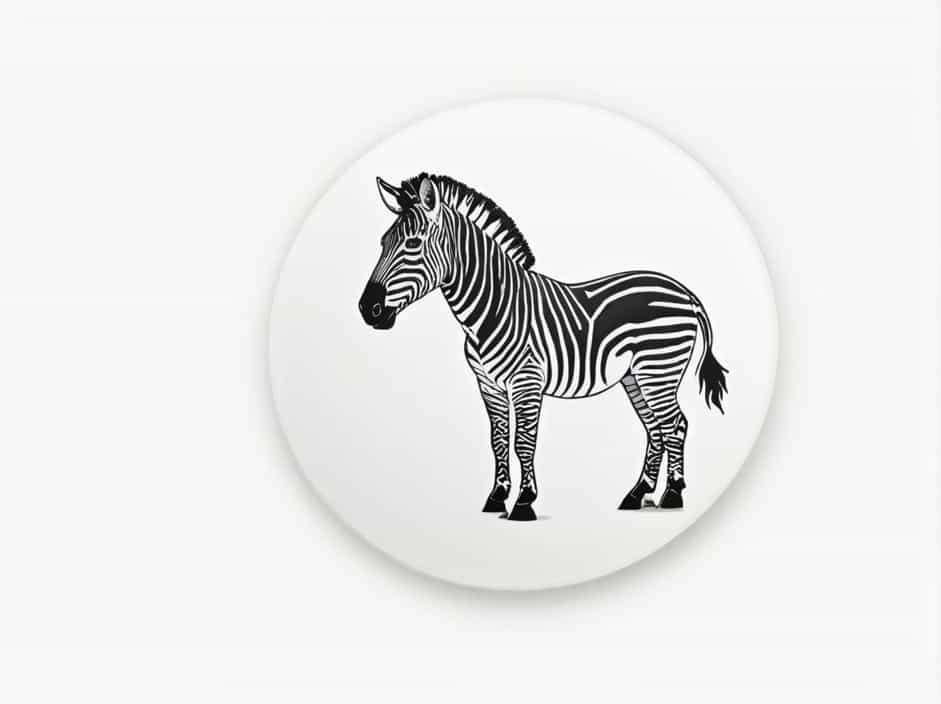
Zebras, known for their striking black-and-white stripes and native to the grasslands of Africa, are often compared to horses and donkeys, with which they share a similar size and structure. However, despite their similarities, zebras have never been successfully domesticated. This is in contrast to their relatives, such as horses, which have been domesticated for thousands of years. So, why are zebras impossible to domesticate? In this topic, we explore the factors that make zebras unsuitable for domestication.
Understanding Domestication
Before diving into the reasons why zebras cannot be domesticated, it’s essential to understand what domestication is. Domestication refers to the process by which humans selectively breed wild animals over generations to adapt them for living in human-controlled environments. This process involves selecting animals that are more docile, easier to handle, and capable of living alongside humans without becoming a threat or exhibiting aggressive behavior.
For an animal to be domesticated, it must possess certain traits such as a willingness to form social bonds with humans, tolerance of confinement, and a manageable temperament. While some species, such as dogs, horses, and cows, have been successfully domesticated, others, like zebras, have resisted domestication.
1. Zebras Are Naturally Wild and Independent
One of the key reasons zebras are impossible to domesticate is their strong sense of independence and wild instincts. Unlike horses, which have evolved to live in social groups and are generally more cooperative with humans, zebras have retained their wild nature. They are inherently more aggressive and territorial, which makes them difficult to manage in the same way as domesticated animals.
In the wild, zebras live in loose family groups where they roam freely across vast grasslands. They are highly territorial and protective of their herds, especially when it comes to defending their young. This strong territorial behavior, combined with their wariness of humans, makes zebras difficult to train and manage in a controlled environment.
2. Aggressive Behavior and Poor Temperament
Zebras are known for their aggressive behavior, which is another factor that hinders their domestication. They are much more likely to bite, kick, or charge if they feel threatened, compared to other equids like horses or donkeys. This aggressiveness is not just limited to interactions with humans; zebras can also display hostility towards other animals.
This temperament is deeply ingrained in their behavior, making zebras difficult to tame. Even though some individual zebras may be more docile than others, it’s rare to find one that can be easily trained or trusted around people. Domesticated animals like horses and dogs have been bred over generations to tolerate human interaction and be responsive to training. Zebras, on the other hand, lack these traits, making them challenging to work with.
3. Lack of Selective Breeding
One of the critical factors in successful domestication is selective breeding. Through generations of careful breeding, humans have been able to cultivate certain traits in domesticated animals, such as reduced aggression and a cooperative temperament. However, zebras have never undergone this process. While horses, donkeys, and other animals have been selectively bred for thousands of years to become more docile and manageable, zebras have not been subject to the same breeding practices.
Selective breeding helps to create an animal that is better suited to living in close proximity to humans, and with a temperament that is less likely to be confrontational. Since zebras have never been selectively bred in this way, they have retained many of their wild instincts, including their aggressive and unpredictable behavior.
4. Zebras Are Not Easily Tamed
Unlike horses and donkeys, which can be trained to follow commands and work with humans, zebras are notoriously difficult to tame. This is because they do not have the same instinctual willingness to cooperate with humans. While horses and donkeys have been bred to be more trainable, zebras tend to resist training efforts and show little interest in forming bonds with humans.
Zebras are highly intelligent animals, but their intelligence is often directed toward survival rather than cooperation. In the wild, zebras need to be alert and cautious to avoid predators, and this instinct of wariness is ingrained in their behavior. This makes them less likely to trust humans or to engage in cooperative activities like riding or pulling carts, which are common domesticated tasks for horses and donkeys.
5. Their Social Structure Is Different from Domesticated Equids
Zebras live in a different social structure than domesticated horses and donkeys, which also impacts their ability to be domesticated. While horses form tight-knit, hierarchical herds that are led by a dominant mare or stallion, zebras have a more flexible social structure. Zebras tend to form smaller family units, and their herds can be more fluid and less predictable than those of horses.
This difference in social structure can make it harder for zebras to adapt to the stable, human-controlled environments in which domesticated animals thrive. For example, horses and donkeys are often comfortable in stables and can be trained to work in teams or follow commands. Zebras, however, have different social dynamics and are less likely to adapt to confinement or cooperate with humans in the same way.
6. Physical Differences Between Zebras and Horses
In addition to behavioral differences, zebras also have physical characteristics that make them unsuitable for domestication. For example, zebras have much stronger and more muscular bodies compared to horses. This makes them more difficult to handle, especially when they become agitated or aggressive.
Zebras also have a unique set of vocalizations and body language, which are not easily understood by humans. While horses communicate through a series of whinnies, snorts, and body movements, zebras have a more complex range of sounds and gestures that are harder for humans to interpret. This makes it more challenging to build effective communication with zebras, further hindering any attempts at domestication.
7. Lack of Economic Incentives
Finally, there are few economic incentives to domesticate zebras. While horses have been bred for transportation, work, and sports, zebras do not provide the same practical benefits. Zebras are not suited for riding, carrying loads, or pulling carts, making them less useful in agricultural or transportation tasks. Additionally, zebras have a tendency to be unpredictable and challenging to care for, making them a less appealing choice for farmers and ranchers.
In contrast, horses have been successfully integrated into human societies for thousands of years due to their usefulness in various tasks. The lack of economic value, combined with the challenges of training and handling zebras, has made them less desirable for domestication efforts.
zebras are impossible to domesticate due to a combination of factors, including their wild instincts, aggressive behavior, and unwillingness to cooperate with humans. Unlike horses and donkeys, zebras have not been selectively bred for tameness or trainability, and their natural behavior makes them difficult to handle in controlled environments. Furthermore, their social structure, physical characteristics, and lack of practical use make zebras unsuitable for domestication. While they are fascinating creatures, zebras remain wild animals, best appreciated in their natural habitats rather than in human-controlled settings.