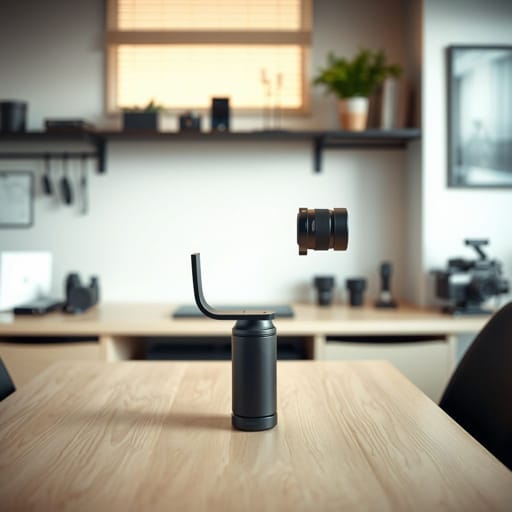
Why Are Gimbals So Expensive? Understanding the Cost Behind Stabilization TechnologyGimbals have become an essential tool for anyone involved in video production, from amateur creators to professional filmmakers. These devices provide stability and smooth motion, even in dynamic and shaky environments. However, many people find themselves wondering why gimbals are so expensive. Are they really worth the price? In this topic, we will explore the factors that contribute to the high cost of gimbals, and why they remain a crucial piece of equipment for videographers and content creators.
What is a Gimbal?
A gimbal is a device that uses motors and sensors to keep a camera steady while it moves. Essentially, it helps eliminate unwanted vibrations and shakes, creating smooth and stable footage. This technology is often used in handheld cameras, drones, and even smartphones to ensure that videos look professional, even when the shooter is moving around.
Gimbals are particularly important for filmmakers and content creators who want to achieve high-quality, cinematic shots. Without stabilization, the footage may appear jittery and unpleasant to watch, which is why gimbals have become a must-have tool in the video production industry.
The Technology Behind Gimbals
One of the primary reasons gimbals are so expensive is the sophisticated technology that goes into their design and functionality. Here are the key technological elements that contribute to their cost
1. Motorized Stabilization
At the heart of a gimbal is a system of motors that provide real-time stabilization. These motors are responsible for counteracting any unwanted movements by adjusting the position of the camera in three axes pan, tilt, and roll. This precision requires high-quality motors capable of making small, fast adjustments to maintain balance and smooth motion.
The technology behind these motors is intricate, and the components must be durable and powerful to handle various conditions, including changes in temperature, pressure, and movement speed. This high level of engineering and design naturally increases the cost of production.
2. Sensors and Algorithms
To keep the camera steady, gimbals rely on sensors like accelerometers and gyroscopes. These sensors detect any movement or vibrations in the camera, and algorithms then process the data to adjust the motors accordingly. The combination of sensors and advanced algorithms allows for real-time adjustments to maintain stability.
The precision of these sensors is crucial for effective stabilization, and they must be able to react instantly to keep the camera smooth. This requires a lot of research and development, which adds to the overall cost of the gimbal.
3. Battery Power
Gimbals are powered by rechargeable batteries, and the power required for smooth and continuous operation can be significant. High-end gimbals often come with powerful batteries that can last for hours of filming. However, these batteries also contribute to the overall price of the gimbal.
Manufacturers use high-performance batteries that are both long-lasting and capable of handling the energy demands of the motors and sensors. Additionally, some gimbals offer features like fast-charging capabilities, further increasing the cost.
High-Quality Build Materials
Gimbals are designed to be durable and lightweight, and the materials used in their construction play a significant role in the final price. Many high-end gimbals are made from carbon fiber or aluminum, which offer a combination of strength and low weight. These materials ensure that the gimbal can withstand the wear and tear of everyday use while remaining easy to carry.
In addition to the body, the components that make up the gimbal, such as the motor mounts and the camera mounting plate, must be precisely engineered. This ensures that the camera remains secure and stable, even during rapid movements or extreme conditions. These materials and the manufacturing process involved are costly, which reflects in the final price of the gimbal.
R&D and Innovation
The development of gimbals requires significant research and development (R&D) to refine the technology and improve its performance. Companies constantly work to innovate and enhance their products, introducing new features such as smoother stabilization, higher payload capacity, and more user-friendly controls.
Incorporating cutting-edge features like automated balancing, smartphone apps for customization, and advanced user interfaces adds to the cost. Additionally, the need for continuous updates and improvements to stay ahead of the competition further contributes to the price tag.
Branding and Market Demand
While the technology and materials play a huge role in the cost of gimbals, branding and market demand also influence the pricing. Leading manufacturers like DJI, Zhiyun, and Moza often price their gimbals higher due to their brand reputation and the trust they’ve built within the videography and filmmaking communities.
Professional filmmakers and content creators are often willing to pay a premium for products from well-established brands, knowing that they deliver high performance and reliability. This demand for premium products allows these companies to charge higher prices for their gimbals.
Moreover, the increasing popularity of video content on social media platforms like YouTube and Instagram has created a large market for stabilizing equipment, driving up demand for gimbals and, consequently, their prices.
How Much Should You Expect to Pay for a Gimbal?
The price of gimbals can vary greatly depending on the features, brand, and intended use. For a basic handheld gimbal designed for smartphones, you can expect to pay anywhere from $100 to $300. These models typically offer essential stabilization features, but they may lack the advanced functions found in more professional models.
For mid-range gimbals that are compatible with lightweight mirrorless or DSLR cameras, prices can range from $300 to $700. These gimbals tend to offer more advanced features like better motor performance, longer battery life, and greater weight capacity.
High-end gimbals for professional filmmakers or those with heavier cameras can cost anywhere from $700 to $2,000 or more. These gimbals offer exceptional performance, durability, and versatility, with features such as high payload capacity, advanced stabilization algorithms, and long-lasting batteries.
Are Gimbals Worth the Investment?
If you’re serious about video production, a gimbal can be an essential investment. While the initial cost may seem high, the value it provides in terms of smooth, professional-quality footage is undeniable. For filmmakers, content creators, or anyone looking to create high-quality videos, a gimbal can make a huge difference in the overall production value.
However, it’s important to assess your specific needs. If you’re just starting out or don’t plan to do professional-level work, a more affordable gimbal may suffice. For those who require top-tier stabilization for heavy-duty filming, a high-end gimbal is definitely worth the cost.
The high price of gimbals can be attributed to a combination of advanced technology, high-quality materials, research and development, and brand reputation. These factors all contribute to the cost, but they also ensure that you’re getting a high-performance product capable of providing smooth, stable footage.
Whether you’re a beginner or a seasoned filmmaker, understanding the reasons behind the high cost of gimbals will help you make a more informed decision about which one is right for you. With the right gimbal, you’ll be able to take your video production to the next level, achieving professional-quality results with ease.


