Mylar bags are one of the best storage solutions for long-term food preservation. They protect against moisture, light, and oxygen, keeping food fresh for years. But what if you want to vacuum seal Mylar bags for even better protection? Can you use a FoodSaver to vacuum seal Mylar bags? The answer is yes-with the right approach. This guide will explain how to vacuum seal Mylar bags using a FoodSaver, why it’s beneficial, and helpful tips for the best results.
What Are Mylar Bags?
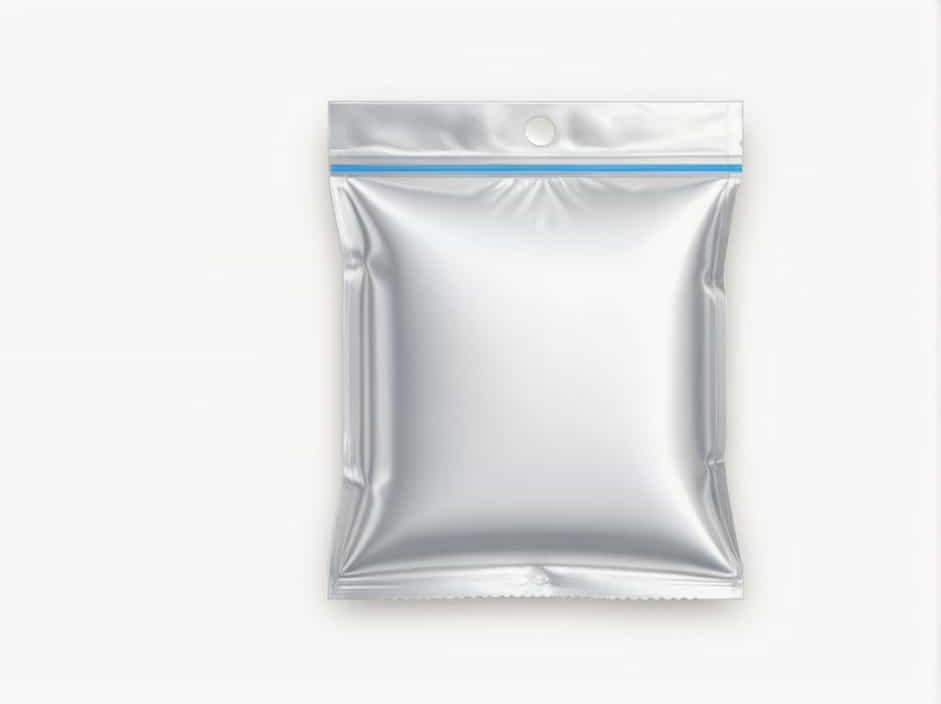
Mylar bags are made from multiple layers of plastic and metalized polyester. This combination makes them extremely durable and excellent for long-term food storage. Mylar bags are often used to store dry foods such as rice, beans, flour, pasta, sugar, and dehydrated goods.
They come in different thicknesses, generally ranging from 3.5 mil to 7 mil. The thicker the bag, the stronger and more puncture-resistant it is.
Why Vacuum Seal Mylar Bags?
While Mylar bags alone are airtight when heat-sealed, adding vacuum sealing removes even more air, further protecting the food inside from oxidation and spoilage. The combination of vacuum sealing and oxygen absorbers can extend the shelf life of food for up to 25 years.
Vacuum sealing Mylar bags also helps reduce the bulk of stored food, making it more compact and space-efficient in your pantry or emergency food storage.
Can You Vacuum Seal Mylar Bags Using a FoodSaver?
A common question is whether a standard FoodSaver vacuum sealer can vacuum seal Mylar bags. The short answer: it depends on the bag and the technique.
Most Mylar bags are smooth, while FoodSaver vacuum sealers rely on textured bags for air removal. However, you can still vacuum seal smooth Mylar bags by using a few simple tricks or by choosing embossed Mylar bags designed for vacuum sealing.
What You Need to Vacuum Seal Mylar Bags with FoodSaver
Before you start, gather the following:
-
High-quality Mylar bags (3.5-5 mil thickness works best for vacuum sealing)
-
A FoodSaver vacuum sealing machine
-
Oxygen absorbers (optional, but highly recommended for long-term storage)
-
A flat iron or impulse heat sealer for final sealing
-
Dry food items for storage
Step-by-Step: How to Vacuum Seal Mylar Bags Using FoodSaver
1. Choose the Right Mylar Bags
Use smaller Mylar bags, preferably one-gallon or quart-size bags. Larger bags can be difficult to vacuum seal. Look for Mylar bags with embossed textures or ridges if available, as they are more compatible with vacuum sealers.
2. Fill the Bag
Add your dry food to the Mylar bag, leaving about two inches of space at the top for sealing. Don’t overfill, as you’ll need room to create a proper seal.
3. Add Oxygen Absorbers
Place oxygen absorbers in the bag. For one-gallon bags, use 300cc absorbers; for smaller bags, 100cc is usually enough. Oxygen absorbers remove any remaining oxygen inside after sealing.
4. Create a Channel for Air Removal
If you’re using smooth Mylar bags, fold a small strip of textured FoodSaver bag material and place it inside the opening of the Mylar bag, leaving part of it sticking out. This creates a channel for the FoodSaver to remove air.
5. Vacuum Seal the Bag
Insert the top of the Mylar bag (with the textured strip if needed) into the FoodSaver machine. Make sure it’s positioned properly. Start the vacuum process and allow the machine to remove as much air as possible.
6. Seal the Bag
Once the air is removed, the FoodSaver will automatically seal the bag. If your model does not seal well on Mylar, you can heat-seal the bag using a flat iron or impulse sealer. Run the heat sealer across the top edge of the bag for a secure, airtight seal.
7. Check the Seal
Inspect the bag for tightness and make sure the seal line is solid with no wrinkles or gaps. A proper seal ensures the bag stays vacuum-packed.
Benefits of Vacuum Sealing Mylar Bags with FoodSaver
1. Extended Shelf Life
Vacuum sealing combined with oxygen absorbers can keep food fresh for 10 to 25 years. This is perfect for emergency food storage and long-term pantry needs.
2. Reduced Spoilage
Without oxygen and moisture, there’s less chance of food going stale or developing mold.
3. Compact Storage
Vacuum sealing compresses bulky food items, making storage more organized and space-efficient.
4. Cost-Effective
Buying dry goods in bulk and vacuum sealing them in Mylar bags saves money and reduces trips to the store.
What Foods Can Be Vacuum Sealed in Mylar Bags?
Here are the best foods to vacuum seal in Mylar bags using FoodSaver:
-
Rice (white, brown, and jasmine)
-
Pasta
-
Dried beans and lentils
-
Powdered milk
-
Dehydrated vegetables
-
Oats and rolled grains
-
Freeze-dried fruits
-
Flour and baking ingredients
Avoid vacuum sealing fresh fruits or wet foods in Mylar bags unless freeze-dried or fully dehydrated.
Tips for Success
1. Use Smaller Bags for Easy Sealing
Larger Mylar bags are harder to vacuum seal. Smaller bags work better with FoodSaver machines.
2. Double Seal
For extra security, add a second heat seal just below the first one. This prevents leaks and air from entering over time.
3. Store in a Cool, Dark Place
Even after vacuum sealing, store your Mylar bags in a cool, dry, and dark environment for the best results.
4. Label the Bags
Write the contents and date on each bag using a permanent marker. This helps with inventory tracking and rotation.
Common Mistakes to Avoid
1. Overfilling the Bags
Leaving no space at the top makes sealing difficult and may cause wrinkles in the seal line.
2. Forgetting Oxygen Absorbers
Even if you vacuum seal, oxygen absorbers add another layer of protection for long-term storage.
3. Not Checking the Seal
Always double-check that your bag is fully sealed. One small gap can allow air back in, defeating the purpose.
4. Using Thin Mylar Bags
Very thin Mylar bags (below 3.5 mil) may tear or puncture easily during vacuum sealing.
Vacuum sealing Mylar bags using a FoodSaver is a smart way to extend the shelf life of dry foods and protect them from spoilage. By combining vacuum sealing with oxygen absorbers and proper heat sealing, you can store food safely for many years.
Whether you’re stocking up on bulk pantry staples, prepping for emergencies, or just organizing your kitchen, this technique will help you keep food fresh and save space. With the right materials, some simple steps, and attention to detail, anyone can vacuum seal Mylar bags using a FoodSaver and enjoy long-lasting food security.