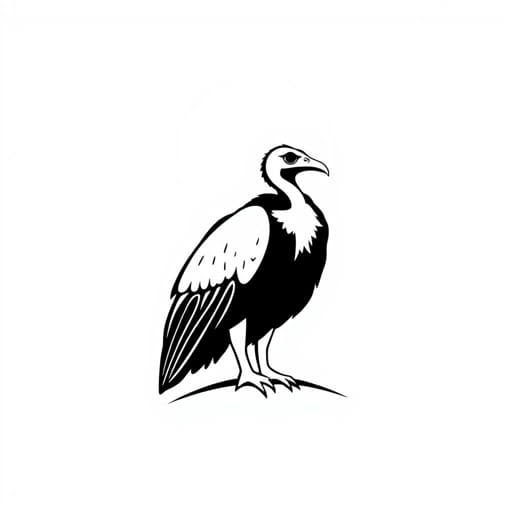
On a quiet morning in open fields or along forested ridges, it’s not unusual to see a large dark bird perched with its wings outstretched, soaking in the warmth of the sun. This fascinating behavior belongs to the turkey vulture, a common but often misunderstood scavenger native to the Americas. When a turkey vulture suns itself, it presents an image that is both majestic and mysterious. More than a dramatic pose, this ritual is deeply tied to its survival and health. By observing this sunning behavior closely, we gain insights into how turkey vultures interact with their environment and maintain their physical well-being.
Understanding the Turkey Vulture
Species Overview
The turkey vulture (Cathartes aura) is one of the most widespread vultures in North America. With a wingspan of around six feet and a keen sense of smell, it plays a vital role in the ecosystem by consuming carrion and helping to prevent the spread of disease. These birds are easily recognized by their dark brown or black feathers, bare red heads, and long, broad wings that tilt slightly when in flight, forming a shallow V-shape known as a dihedral.
Habitat and Behavior
Turkey vultures are found across a wide range of habitats, from open plains and deserts to forests and mountains. They are particularly common in areas with ample roadkill or other accessible sources of dead animals. Turkey vultures are social birds, often roosting in groups and gliding in flocks known as kettles during migration. Their scavenging lifestyle makes them essential in natural cleanup and recycling processes.
The Sunning Ritual
What Does Sunning Look Like?
When a turkey vulture suns itself, it often finds a high, open perch such as a tree limb, fence post, or rock ledge. The bird spreads its large wings fully, facing the rising sun with its back exposed to the rays. This position can last for several minutes or even up to an hour, during which the bird remains still, soaking in the warmth.
Common Times for Sunning
Sunning typically occurs in the early morning hours after a cool night. You might also observe it after periods of rain or in shaded environments where the bird has become wet or chilled. Although commonly associated with turkey vultures, this behavior is also seen in other birds like cormorants, anhingas, and even some raptors.
Why Do Turkey Vultures Sun Themselves?
Thermoregulation
One of the main reasons turkey vultures engage in sunning is to regulate their body temperature. After cold nights, their bodies need to warm up for flight and feeding. By absorbing the sun’s heat through their outstretched wings, they can efficiently raise their body temperature without using excessive energy.
Feather Maintenance and Drying
Turkey vultures lack waterproofing oils in their feathers, unlike waterfowl. This means that after rain or exposure to moisture, their feathers can become heavy and cold. Sunning helps to dry out wet feathers, making flight easier and reducing the risk of infection from damp conditions.
Parasite Control
The warmth generated by direct sunlight can also help to reduce parasites like mites and lice. Heat exposure may kill or drive out these pests, which would otherwise damage feathers or irritate the bird. Combined with preening, sunning is part of the vulture’s daily hygiene routine.
Vitamin D Synthesis?
There is some speculation that birds may use sunning to aid in vitamin D synthesis, similar to reptiles. However, this has not been conclusively proven in vultures. The behavior is more likely tied to external hygiene and temperature management rather than internal vitamin production.
Public Misconceptions
Not a Threat
Despite their somewhat eerie appearance while sunning, turkey vultures are not predators and pose no threat to humans or pets. Their bare, red heads and hooked beaks may appear fearsome, but these adaptations are perfect for their scavenging role and are not used for attacking prey.
Spiritual and Cultural Symbolism
In various cultures, the sight of a sunning vulture has spiritual connotations. Some view the bird’s pose as one of reverence or purification. Others interpret it as a symbol of renewal and transformation. These interpretations often come from observing the bird’s stillness, patience, and connection to natural cycles of life and death.
Ecological Importance of Turkey Vultures
Nature’s Clean-Up Crew
By feeding on carrion, turkey vultures help prevent the spread of harmful bacteria and disease. Their highly acidic stomach acid can neutralize pathogens like anthrax and botulism, making them one of the few animals capable of safely disposing of decaying carcasses.
Indicator Species
Because turkey vultures rely on clean air and abundant food sources, their presence can be an indicator of environmental health. A sudden decline in local vulture populations may signal ecosystem imbalance or pollution issues that affect other species as well.
Observing Turkey Vultures in the Wild
Best Locations and Times
To see a turkey vulture sunning itself, visit open areas near forests or cliffs in the early morning. Look for perched birds with their wings fully extended, often appearing like statues against the rising sun. Binoculars can help you get a closer view without disturbing the birds.
What to Watch For
If you’re observing vultures in the wild, take note of the following behaviors:
- Group roosting: They often gather in communal roosts overnight.
- Wing drying: Distinguishable by slow, deliberate spreading of wings.
- Soaring flight: They glide with little wing movement, taking advantage of thermals.
Conservation and Human Interaction
Threats and Protections
Although turkey vultures are currently not endangered, they do face threats from habitat loss, poisoning (particularly lead contamination), and vehicle collisions. Conservation efforts include legal protection under the Migratory Bird Treaty Act, public education, and habitat preservation.
Living Alongside Vultures
People living in areas where vultures are common can learn to appreciate their role in nature. Rather than fearing these birds, understanding their habits like sunning can help foster peaceful coexistence and respect for their ecological role.
The sight of a turkey vulture sunning itself might seem unusual at first glance, but it is a beautiful example of how nature provides animals with instinctual methods for self-care, survival, and balance. From thermoregulation and hygiene to serving as environmental custodians, turkey vultures demonstrate that every creature has a valuable part to play in the natural world. The next time you see one of these birds with its wings stretched toward the sky, take a moment to admire the simple wisdom behind this quiet, ancient ritual.


