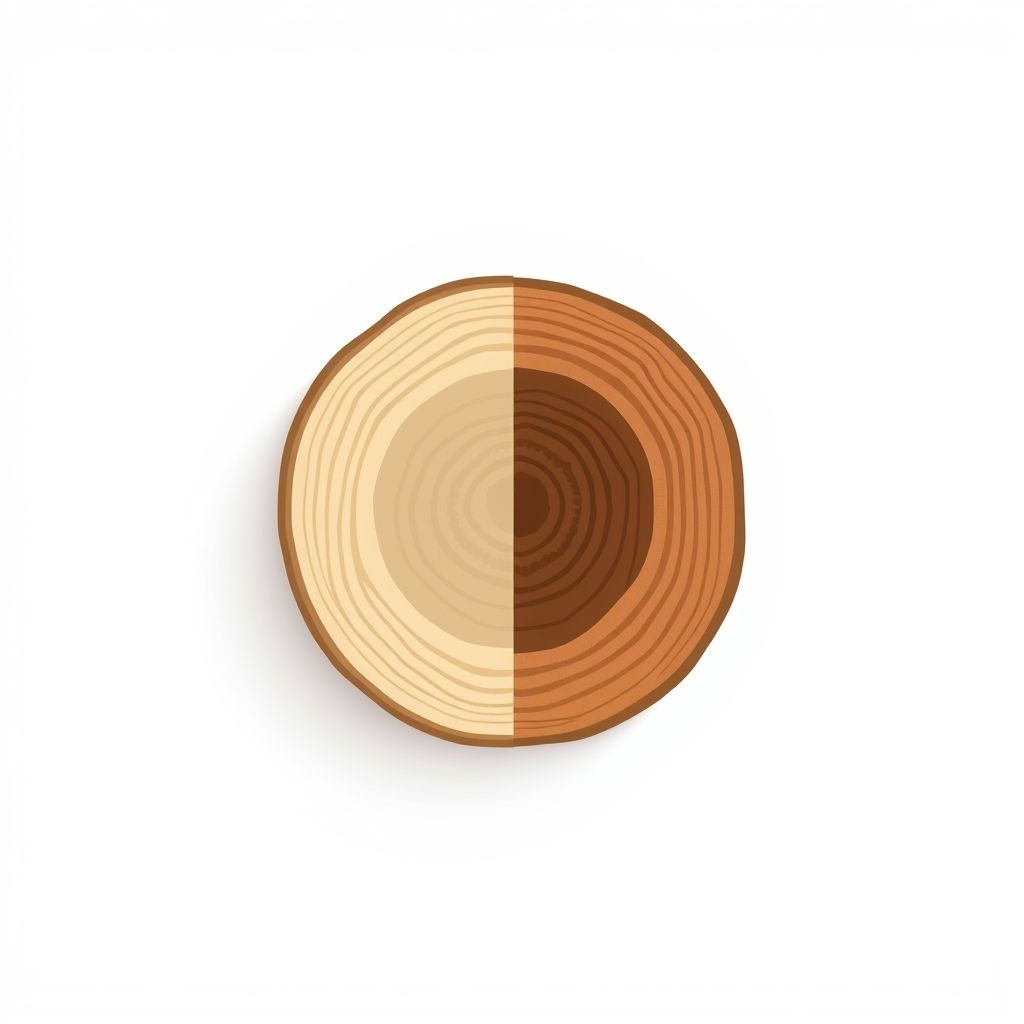
Trees are remarkable living organisms that undergo various internal changes as they grow. One of the most fascinating processes is the transformation of sapwood into heartwood. This transformation plays a crucial role in the tree’s strength, durability, and overall health. In this topic, we’ll explore what sapwood and heartwood are, how the transformation happens, and why it matters.
What Is Sapwood?
Sapwood is the outer, living part of a tree’s wood, located just under the bark. It is lighter in color and plays an active role in the tree’s life processes.
Functions of Sapwood
-
Water Transport Sapwood carries water and minerals from the roots to the leaves.
-
Nutrient Storage It stores essential nutrients and energy needed for the tree’s growth.
-
Protection As the outer layer, sapwood provides a first defense against injuries and infections.
Without healthy sapwood, a tree would not be able to survive, as this is the main channel for transporting vital resources.
What Is Heartwood?
Heartwood is the inner, non-living part of the tree trunk. Over time, as sapwood cells age and die, they become heartwood. It is usually darker in color due to the accumulation of various organic compounds.
Characteristics of Heartwood
-
Strength Heartwood provides structural support and stability to the tree.
-
Resistance to Decay The natural chemicals in heartwood make it more resistant to insects and fungi.
-
Color Variation Different species have heartwoods that range from light brown to deep reds and purples.
Heartwood no longer plays a role in transporting water but remains essential for maintaining the tree’s integrity.
How Does the Transformation Happen?
The transformation from sapwood to heartwood is a gradual and natural process. It involves several important biological changes inside the tree.
Step-by-Step Process
-
Cell Death As sapwood cells age, they die and stop conducting water.
-
Chemical Changes The dead cells accumulate substances like resins, tannins, and oils.
-
Color Shift These substances darken the wood, creating a visible difference between sapwood and heartwood.
-
Hardening The new heartwood becomes denser and harder, providing more strength.
This transition can take years, depending on the tree species, climate, and growing conditions.
Factors Influencing Sapwood to Heartwood Transformation
Several factors can affect how quickly and effectively sapwood transforms into heartwood.
Age of the Tree
Older trees tend to have more heartwood because they have had more time to undergo the transformation process.
Species Differences
Some species, like oak and teak, develop heartwood early and in large amounts. Others, like maple, may have little heartwood even in maturity.
Environmental Conditions
Climate, soil quality, and water availability can all impact the rate of transformation. Trees under stress may form heartwood faster as a survival mechanism.
Importance of Heartwood in Woodworking
Heartwood is highly valued in the timber industry for its durability and aesthetic appeal.
Advantages of Heartwood
-
Long-Lasting Products made from heartwood are more resistant to decay and pests.
-
Beautiful Grain The rich colors and patterns of heartwood make it a favorite for furniture and flooring.
-
Less Maintenance Heartwood generally requires less chemical treatment compared to sapwood.
Because of these qualities, heartwood is often preferred for high-end construction and decorative uses.
Differences Between Sapwood and Heartwood
Understanding the key differences helps in choosing the right type of wood for various purposes.
| Feature | Sapwood | Heartwood |
|---|---|---|
| Function | Water transport | Structural support |
| Color | Lighter | Darker |
| Durability | Less resistant to decay | Highly resistant |
| Life Status | Living tissue | Non-living tissue |
Both sapwood and heartwood have important roles, but they serve different functions in the life of a tree and in human applications.
Common Trees with Distinct Sapwood and Heartwood
Some trees are particularly known for their noticeable contrast between sapwood and heartwood.
Examples
-
Walnut Dark chocolate heartwood with pale sapwood.
-
Teak Golden brown heartwood prized for outdoor furniture.
-
Cherry Rich red heartwood used in cabinetry.
-
Oak Durable heartwood perfect for flooring and barrels.
Choosing the right wood depends on the project needs and the desired look.
How Trees Benefit from This Transformation
The transformation isn’t just beneficial to humans; it serves vital purposes for the trees themselves.
Benefits for Trees
-
Increased Strength Heartwood helps trees support larger canopies and withstand strong winds.
-
Pest Resistance The chemicals in heartwood deter wood-boring insects and fungal infections.
-
Longevity Trees with substantial heartwood can live longer and remain structurally sound for centuries.
Nature has designed this process to ensure that trees can thrive even under challenging conditions.
The transformation of sapwood into heartwood is a remarkable natural process that strengthens and protects trees while offering valuable materials for human use. By understanding how this transformation happens, why it’s important, and what influences it, we gain a deeper appreciation for the life cycles of trees and the natural beauty of wood. Whether you’re a gardener, woodworker, or simply a nature enthusiast, recognizing the wonders inside a tree trunk opens the door to greater respect for the living world around us.