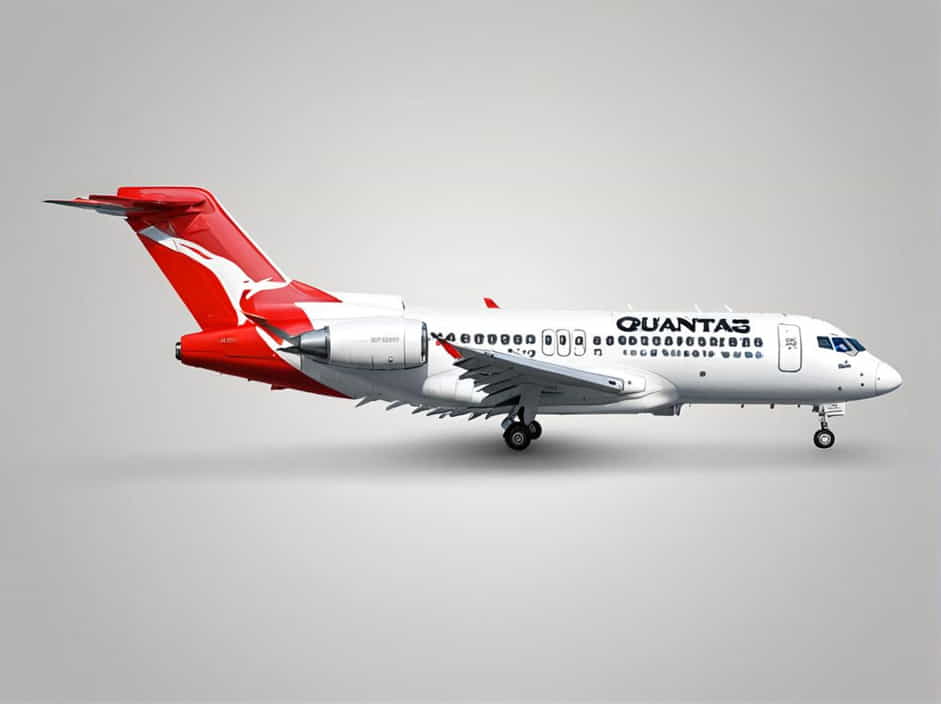
The Qantas 717 has made its much-anticipated return to Tasmanian skies, a move that marks an exciting chapter for both the airline and the region’s aviation sector. Known for its reliability and performance, the Qantas 717’s reintroduction promises to improve connectivity, offering more convenience and flexibility for travelers flying in and out of Tasmania. In this topic, we will explore the significance of this return, the features of the Qantas 717, and its impact on the regional aviation landscape.
Introduction to the Qantas 717
The Qantas 717 is a narrow-body, twin-engine aircraft manufactured by Boeing. Originally designed by McDonnell Douglas as the MD-95, it was later rebranded and renamed the Boeing 717 after McDonnell Douglas merged with Boeing. This aircraft is known for its efficiency and versatility, making it a popular choice for short to medium-haul flights.
Key Features of the Qantas 717
-
Seating Capacity: The Qantas 717 typically accommodates 100 to 110 passengers in a two-class configuration, offering both business and economy seating.
-
Range: With a range of approximately 2,000 nautical miles, the Qantas 717 is well-suited for regional routes, including those connecting Australia’s major cities with more remote areas like Tasmania.
-
Fuel Efficiency: Known for its low fuel consumption, the 717 offers excellent operational efficiency, making it a cost-effective choice for both airlines and passengers.
The Return of the Qantas 717 to Tasmania
Qantas has been an integral part of Tasmania’s aviation network for many years, providing essential connectivity between Tasmania and the Australian mainland. The reintroduction of the Qantas 717 to Tasmanian skies is seen as a key move to strengthen these connections further, catering to both leisure and business travelers.
The decision to bring back the 717 follows a growing demand for flights in the region, especially as tourism in Tasmania continues to rise. As the island state remains a popular destination for both domestic and international travelers, having reliable and frequent flight options becomes increasingly important. The Qantas 717 offers a combination of reliability, comfort, and fuel efficiency, making it an ideal choice for this growing demand.
Routes and Frequency
The Qantas 717 will operate on several key routes connecting Tasmania with major Australian cities, including Sydney, Melbourne, and Brisbane. The aircraft’s reintroduction will increase the frequency of flights, providing passengers with more options for travel. This is expected to greatly benefit both tourists visiting Tasmania and Tasmanians traveling to the mainland for business or leisure.
Improved Passenger Experience
One of the key advantages of the Qantas 717 is its ability to offer a high level of comfort on short-haul flights. Passengers can expect modern amenities, such as comfortable seating, a spacious cabin, and a reliable in-flight service. The aircraft’s interior is designed to enhance the overall travel experience, making it an appealing choice for regional routes.
Economic Impact on Tasmania
The return of the Qantas 717 to Tasmanian skies is expected to have a significant impact on the local economy. Improved air connectivity can stimulate tourism, boost business opportunities, and create jobs in the aviation sector. Here’s how:
Boost to Tourism
Tourism plays a crucial role in Tasmania’s economy, with the state attracting visitors from all over the world for its natural beauty, vibrant culture, and unique experiences. With the reintroduction of the Qantas 717, the island state is now more accessible than ever, encouraging both domestic and international travelers to explore Tasmania. This, in turn, supports the local hospitality, retail, and tourism industries.
Strengthening Business Links
Air connectivity is essential for businesses that rely on travel to maintain relationships with clients, suppliers, and partners. The increased frequency and availability of flights to Tasmania via the Qantas 717 will make it easier for businesses to operate across state lines, contributing to the economic development of Tasmania’s growing industries.
Job Creation
The return of the Qantas 717 to Tasmania will also create job opportunities in various sectors, including aviation, hospitality, and tourism. From ground crew to in-flight attendants, the airline industry provides a wide range of employment opportunities that support the local workforce.
Environmental Benefits of the Qantas 717
While the Qantas 717 offers numerous benefits in terms of connectivity and comfort, it also stands out for its environmental efficiency. The aircraft is designed with fuel economy in mind, which helps reduce the overall carbon footprint of flights. Here are a few key points:
Fuel Efficiency
The Qantas 717 is known for its fuel-efficient engines, which are vital for reducing operating costs and minimizing emissions. In an era where environmental sustainability is a major focus for the aviation industry, aircraft like the 717 play a key role in reducing the carbon footprint of air travel.
Lower Noise Levels
Another benefit of the Qantas 717 is its relatively low noise levels compared to older aircraft models. This makes it a more environmentally friendly choice for airports located near residential areas, such as those in Tasmania. Reduced noise pollution is an important factor for improving the quality of life for local communities while maintaining essential air services.
Qantas 717: A Reliable Choice for Regional Airlines
Qantas has long been known for its commitment to providing safe, reliable, and comfortable air travel. The return of the Qantas 717 to Tasmania is a testament to the airline’s dedication to regional connectivity. With its proven track record and strong performance on short and medium-haul routes, the 717 is well-suited for these types of operations.
Moreover, Qantas’ strong maintenance and support infrastructure ensure that the 717 remains a reliable and safe option for both passengers and crew. The airline’s ongoing commitment to aircraft upkeep and passenger safety is a crucial part of its success.
The Future of the Qantas 717 in Tasmania
Looking ahead, the Qantas 717’s return to Tasmania is a positive sign for the region’s aviation future. With an increasing number of travelers seeking convenient and efficient air travel, the demand for aircraft like the 717 is expected to grow. As Qantas continues to invest in regional connectivity, we can expect to see more routes and services added, further solidifying Tasmania’s position as a key destination within Australia.
Additionally, with the airline’s focus on sustainability and innovation, the Qantas 717’s return may also set the stage for future developments in greener aviation technologies, ensuring that air travel remains environmentally responsible while meeting the demands of modern travelers.
The return of the Qantas 717 to Tasmanian skies is an exciting development for both the airline and the region. Offering enhanced connectivity, increased frequency of flights, and improved comfort for passengers, the 717 is set to become a vital part of Tasmania’s aviation infrastructure. The economic, environmental, and logistical benefits of this move will help foster growth in the tourism and business sectors, while the aircraft’s fuel efficiency and lower noise levels contribute to a more sustainable future for air travel.
As Tasmania continues to grow as a prime destination for both tourism and business, the Qantas 717 will undoubtedly play a pivotal role in shaping the future of air travel in the region. Whether you’re traveling for work or pleasure, the reintroduction of this iconic aircraft promises to enhance your journey and make flying to and from Tasmania more convenient than ever.