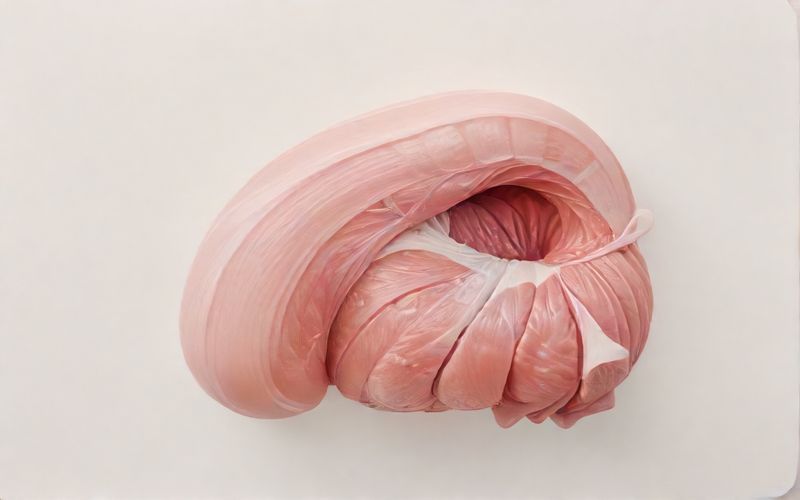
Understanding Perimysium The Key Tissue Covering Muscle FasciclesThe human body is a masterpiece of intricate structures working together in harmony. One such structure is the muscle, which plays an essential role in movement and overall functionality. Muscles are composed of various components, and one of the critical parts is the muscle fascicle. Surrounding each muscle fascicle is a tissue known as the perimysium. In this topic, we’ll explore what the perimysium is, its function, and its importance in muscle structure.
What is Perimysium?
Perimysium is a layer of connective tissue that surrounds each muscle fascicle, a bundle of muscle fibers. It’s an essential part of the muscle structure that provides both support and nourishment to the fibers. The perimysium is thicker than the endomysium, the connective tissue covering individual muscle fibers, and is found in between the fascicles in skeletal muscles.
The perimysium plays a crucial role in maintaining the integrity of the muscle, as it helps in transferring the force generated by the muscle fibers during contraction to the tendons. This transfer of force is essential for movement.
The Role of Perimysium in Muscle Function
Muscles work as a unit to produce movement, and the perimysium supports this function in several ways. First, it helps in the coordination of muscle fibers within each fascicle. By binding the fibers together, the perimysium ensures that the force generated by individual fibers is efficiently combined and transmitted to the rest of the muscle.
Moreover, the perimysium is home to blood vessels and nerves. The blood vessels supply oxygen and nutrients to the muscle fibers, while the nerves help regulate the contraction of the muscles. Without these resources, the muscle would not function effectively.
Structure of Perimysium
Perimysium is made of collagen and elastin fibers, which give it the strength and flexibility necessary to support the muscle fibers. The collagen fibers provide tensile strength, allowing the muscle to withstand the forces generated during contraction. On the other hand, elastin fibers give the perimysium some elasticity, enabling it to stretch and return to its original form without damage.
This combination of collagen and elastin ensures that the perimysium can handle both the high tension and the repetitive movements muscles undergo during physical activity.
Importance of Perimysium in Muscle Health
The perimysium plays a significant role in maintaining the overall health of muscles. As part of the connective tissue system, it helps to protect the muscle fibers from injury by absorbing shock and distributing forces evenly across the muscle. Additionally, it assists in the healing process of muscles after exercise or injury.
In the event of muscle strain or injury, the perimysium may become inflamed. This inflammation can lead to discomfort and stiffness in the affected area. That’s why understanding the function of perimysium is essential for athletes and anyone who engages in physical activity.
How Perimysium Relates to Other Connective Tissues
In addition to the perimysium, muscles are also surrounded by other connective tissues, including the endomysium and epimysium. The endomysium surrounds individual muscle fibers, while the epimysium covers the entire muscle. These layers work together to create a cohesive, functional unit.
While the endomysium supplies nutrients to individual fibers, and the epimysium provides a protective outer layer, the perimysium’s primary role is to support and connect the muscle fibers within the fascicles. Together, these connective tissues ensure that the muscle can perform its various functions, such as generating force, maintaining stability, and enabling movement.
Perimysium and Muscle Diseases
Muscle diseases and conditions can impact the perimysium and its ability to function effectively. For example, in conditions like muscular dystrophy, the muscle fibers become weakened, and the connective tissue may become more prominent. This can affect the perimysium’s role in force transmission and muscle function.
Fibrosis, the thickening of connective tissue, can also affect the perimysium. In some cases, excessive fibrosis can impair muscle function, leading to stiffness and reduced mobility. Understanding the role of perimysium in these conditions can help in diagnosing and treating muscle-related diseases more effectively.
Exercises That Improve Muscle Function and Perimysium Health
Maintaining healthy muscles and connective tissue is essential for overall well-being. Regular exercise is one of the best ways to keep the perimysium and other connective tissues in optimal condition. Activities like strength training, stretching, and aerobic exercises help to increase blood flow to muscles, promoting tissue health and reducing the risk of injury.
Stretching, in particular, can help maintain the flexibility and elasticity of the perimysium. This is important because it allows the muscle fibers to stretch and contract efficiently without causing strain or injury.
The Relationship Between Perimysium and Muscle Performance
The health of the perimysium directly impacts the performance of muscles. When the perimysium is functioning optimally, muscles can contract and generate force effectively. This leads to improved performance during physical activity, whether it’s running, lifting weights, or performing everyday tasks.
Conversely, if the perimysium is damaged or inflamed, it can hinder muscle function and lead to decreased performance. This is why injury prevention, proper recovery, and strengthening exercises are so important for maintaining muscle health.
Perimysium plays an integral role in the structure and function of muscles. By surrounding muscle fascicles, it helps to coordinate muscle fibers, support force transmission, and supply essential nutrients and oxygen to the muscle fibers. Its role in muscle health, performance, and injury prevention cannot be overstated. Understanding the importance of perimysium and how it works in tandem with other connective tissues provides valuable insight into how our muscles function and how we can maintain them in optimal condition.