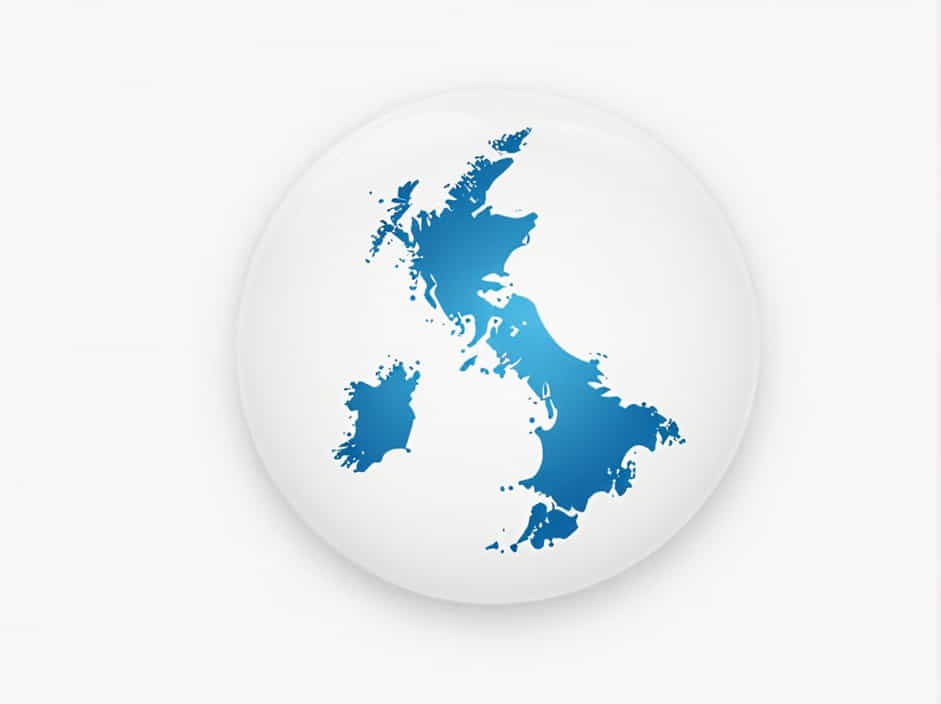
Many people imagine New Zealand as a small, distant country tucked away in the South Pacific. But what happens when we visualize New Zealand overlaid over Europe? This comparison provides an eye-opening perspective on the size, distance, and geographic features of New Zealand in relation to the European continent. In this topic, we will explore how New Zealand fits over Europe, comparing area, climate, population, and lifestyle in a way that is easy to understand for general readers.
Size Comparison: New Zealand vs. Europe
At first glance, it’s easy to assume that New Zealand is tiny compared to Europe. But let’s look at the numbers:
-
New Zealand has a total land area of around 268,000 square kilometers (103,500 square miles).
-
Europe covers about 10.18 million square kilometers (3.93 million square miles).
So yes, Europe is vastly larger. In fact, it is around 38 times bigger than New Zealand. However, if you imagine New Zealand overlaid over Europe, you’ll find that it spans an impressive distance, stretching across multiple countries.
Geographic Positioning: If New Zealand Were on the European Map
If you placed New Zealand over Europe, you could line it up from the southern coast of Spain and stretch it all the way to Denmark or even southern Sweden. Another way to imagine it is placing the tip of New Zealand’s North Island over Portugal, with the southern end of the South Island reaching towards Germany or Poland.
The country’s long and narrow shape means it could overlay across multiple European countries, highlighting how large New Zealand truly is when viewed in the right context.
Climate Comparison
While both regions experience varied climates, the differences between New Zealand and Europe are distinct.
-
New Zealand has a temperate maritime climate, meaning mild temperatures, plenty of rainfall, and no extreme seasons.
-
Europe ranges from Mediterranean climates in Italy and Spain to subarctic conditions in Scandinavia and Russia.
If New Zealand were placed over Europe, its northern end would sit in regions like southern France or Spain, known for warm summers and mild winters. The southern end of New Zealand, with its cooler climate, would align with regions like northern Germany or the Netherlands. This overlay shows how New Zealand’s climate matches the moderate parts of Europe but lacks the extreme cold or scorching heat.
Population and Density
-
New Zealand’s population is approximately 5 million.
-
Europe has a staggering 747 million people.
If you overlay New Zealand on densely populated areas like France, Germany, or the UK, the difference becomes clear. While parts of Europe are crowded with bustling cities, New Zealand’s population is spread out, with large areas of uninhabited or sparsely populated land.
For example, New Zealand’s largest city, Auckland, has a population of around 1.6 million, which is roughly the size of Vienna or Barcelona – but the rest of the country remains peaceful and rural.
Natural Landscapes
Both New Zealand and Europe are rich in natural beauty, but the character of their landscapes differs.
-
New Zealand is famous for its mountain ranges, volcanoes, fjords, and lush forests.
-
Europe has diverse landscapes: from the Alps and Pyrenees to the rolling hills of Tuscany and the flat lowlands of the Netherlands.
If you placed New Zealand over Europe, it would fit nicely along the Alpine regions of Switzerland or Austria, with its Southern Alps matching the grandeur of the European Alps. The fjords in New Zealand’s Fiordland region would feel at home alongside the fjords of Norway.
Cities and Urban Life
-
New Zealand has a handful of major cities, with Auckland, Wellington, and Christchurch being the largest. These cities are modern but smaller in scale.
-
Europe is home to mega-cities like London, Paris, Berlin, and Rome, each with populations that dwarf those of New Zealand’s largest cities.
Overlaying New Zealand on Europe highlights the contrast: New Zealand’s cities are smaller, less crowded, and more laid-back, while European cities are centers of history, commerce, and cultural diversity.
Cultural Differences
If you visualize New Zealand overlaid over Europe, cultural differences become more noticeable.
-
New Zealand has a unique blend of Maori culture, British heritage, and Pacific Island influence.
-
Europe is a patchwork of diverse cultures, languages, and histories, from Greek and Roman civilizations to Renaissance art and modern European Union policies.
While European culture varies dramatically from one country to another, New Zealand’s cultural identity is more unified, blending indigenous traditions with modern influences.
Travel Distances and Accessibility
-
Traveling from Auckland to Invercargill in New Zealand takes about 24 hours by car, covering the entire length of the country.
-
In Europe, you could drive from Paris to Rome or from Berlin to Madrid in roughly the same amount of time.
Placing New Zealand over Europe helps visualize travel distances. In fact, New Zealand’s length would span multiple European countries, showing how traveling across New Zealand is similar in distance to traveling across several European nations.
Wildlife Comparison
-
New Zealand is known for its unique bird species, like the kiwi and kakapo, and has no native land mammals (except for bats).
-
Europe has a wide variety of native wildlife, including brown bears, wolves, deer, and a diverse bird population.
If New Zealand were placed over Europe, it would reveal the difference between isolated island ecosystems and large continental environments. While Europe has both large predators and varied ecosystems, New Zealand’s wildlife is more fragile and specialized.
Outdoor Activities
Both New Zealand and Europe are paradise destinations for outdoor enthusiasts.
-
In New Zealand, outdoor activities include hiking, skiing, surfing, and adventure sports like bungee jumping and white-water rafting.
-
In Europe, outdoor lovers enjoy skiing in the Alps, sailing in the Mediterranean, and hiking in the Scottish Highlands.
If you overlay New Zealand over Europe, it would land across regions that also offer fantastic outdoor opportunities – like placing New Zealand over Switzerland, Austria, and Italy, highlighting shared natural beauty and adventure tourism.
Transportation and Infrastructure
-
New Zealand’s infrastructure consists mostly of well-maintained highways, domestic flights, and limited rail services.
-
Europe is known for its extensive rail network, high-speed trains, and highly connected public transportation systems.
Overlaying New Zealand over Europe reveals that traveling between cities in New Zealand often requires long drives or short flights, while in Europe, hopping on a train can take you between countries in just a few hours.
Visualizing New Zealand overlaid over Europe changes how we perceive this beautiful island nation. Though smaller in size compared to the vast European continent, New Zealand’s length and geography mean that it could stretch across multiple European countries. Its climate aligns with the mild regions of Southern and Western Europe, and its natural features mirror some of Europe’s most stunning landscapes.
While Europe is home to ancient civilizations, densely populated cities, and diverse cultures, New Zealand offers peaceful, spacious living, stunning untouched nature, and a strong blend of indigenous and modern influences.
Understanding New Zealand overlaid over Europe helps us appreciate the diversity of both regions – the bustling, historic beauty of Europe and the serene, adventurous spirit of New Zealand. Whether you’re planning travel, comparing lifestyles, or simply curious, this perspective reminds us that size is only one measure of a country’s beauty and impact.