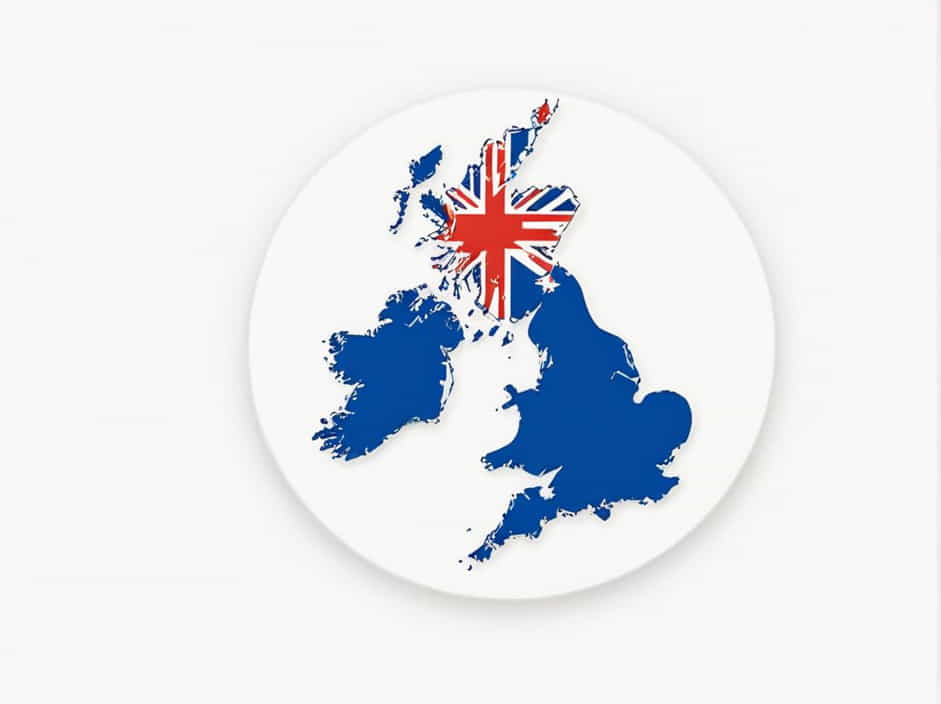
Many people are surprised when they compare the size of New Zealand to the United Kingdom. At first glance, the UK seems larger due to its dense population and historical significance. But what happens when we visualize New Zealand overlaid on the UK? In this topic, we’ll explore this fascinating comparison, looking at size, shape, geography, population, travel times, climate, and cultural differences. This will help you clearly understand how New Zealand measures up when placed over the UK.
Size Comparison: New Zealand vs. UK
Let’s start with numbers.
-
New Zealand has a total area of around 268,021 square kilometers (about 103,483 square miles).
-
The United Kingdom covers roughly 243,610 square kilometers (approximately 94,058 square miles).
This means New Zealand is slightly larger than the UK. If you place New Zealand overlaid on the UK, you’ll see that New Zealand would stretch from the southern tip of England to well beyond Scotland, even covering parts of the North Sea. The size comparison shows that New Zealand has more land area but is much less populated.
Shape Differences
The shapes of New Zealand and the UK are quite different.
-
New Zealand is long and narrow, stretching over 1,600 kilometers from north to south.
-
The United Kingdom, on the other hand, is more compact and irregular in shape, with the longest distance from Land’s End to John o’ Groats being about 1,350 kilometers.
If you place New Zealand over the UK, it would extend beyond the British Isles, showcasing its longer shape compared to the UK’s more compact form.
Geography Comparison
The geographical differences become even more noticeable when imagining New Zealand overlaid on UK.
-
New Zealand is known for its breathtaking mountains, active volcanoes, fjords, and lush green forests. The Southern Alps are a prominent feature, with many peaks over 3,000 meters high.
-
The UK, while known for rolling hills, picturesque countryside, and rugged coastlines, does not have the same dramatic mountain ranges. The highest point in the UK, Ben Nevis, stands at 1,345 meters, much lower than New Zealand’s tallest mountain, Aoraki/Mount Cook at 3,724 meters.
Overlaying New Zealand on the UK would show how New Zealand’s landscape is far more dramatic in elevation and variety.
Population Density
One of the most striking contrasts between these two places is population density.
-
The United Kingdom has a population of around 67 million people, making it one of the most densely populated countries in Europe.
-
New Zealand has only about 5 million people spread across a larger land area.
If you visualize New Zealand over the UK, the difference in population density becomes clear. While the UK has bustling urban centers like London, Manchester, and Birmingham, New Zealand’s largest city, Auckland, has just 1.6 million inhabitants. Much of New Zealand is open space, national parks, and unspoiled nature.
Travel Distances and Time
Travel times between destinations are different in both countries, despite their similar size.
-
In New Zealand, driving from Cape Reinga (north) to Bluff (south) takes around 22-24 hours, covering approximately 2,000 kilometers when accounting for winding roads and ferry crossings.
-
In the UK, traveling from Land’s End to John o’ Groats can take about 14-16 hours by road, covering around 1,350 kilometers.
The reason for this difference is the road infrastructure and terrain. New Zealand has winding roads and mountainous areas, while the UK has more direct highways and rail systems.
Climate Comparison
When imagining New Zealand overlaid on the UK, the climate differences also stand out.
-
New Zealand has a temperate maritime climate, with warmer conditions in the north and cooler weather in the south.
-
The UK has a similarly temperate climate but is generally cooler and wetter throughout the year, especially in Scotland and northern regions.
If New Zealand were placed over the UK, areas like London would experience weather more like Wellington, with milder winters and wetter, windier conditions.
Cities and Urban Life
The city structures and urban experiences differ greatly between the two regions.
-
London is a global city with a population of nearly 9 million, bustling with commerce, tourism, and history. Other UK cities, like Manchester, Liverpool, and Edinburgh, are also large and densely packed.
-
New Zealand has smaller urban centers. Auckland, Wellington, and Christchurch are vibrant but more relaxed. Cities are spread out, with easy access to beaches and parks.
If you overlay New Zealand on the UK, you would notice fewer large cities and more areas covered by small towns and stunning natural landscapes.
Cultural Differences
Culture is another area where differences are pronounced.
-
The UK has a rich history of royalty, centuries-old architecture, and deep-rooted traditions in literature, theater, and politics.
-
New Zealand, while younger as a nation, has a strong blend of Maori and European cultures, focused on outdoor living, adventure sports, and environmental preservation.
Overlaying New Zealand on the UK helps highlight how one space could host very different histories and traditions.
Nature and Wildlife
The wildlife of New Zealand and the UK also reflects their geographical isolation and climate.
-
New Zealand is home to unique, endemic species like the kiwi bird, takahe, and the tuatara, with few native mammals.
-
The UK has a range of native mammals, birds, and insects, including foxes, badgers, and many migratory bird species.
Placing New Zealand over the UK would introduce a wild and exotic biodiversity to an area otherwise known for its tame countryside animals.
Outdoor Activities
The outdoor experiences in both regions are world-renowned, but very different.
-
The UK offers historic walking trails, cycling paths, castle visits, and visits to world heritage sites.
-
New Zealand is a playground for adrenaline seekers, with bungee jumping, white-water rafting, skiing, hiking, and incredible national parks like Fiordland and Tongariro.
Overlaying New Zealand on the UK would replace castles and cathedrals with volcanic craters, glacier hikes, and dramatic fjords.
Transportation and Infrastructure
Transportation systems between the two countries are also different.
-
The UK boasts a dense railway network, high-speed trains, and extensive public transport systems in cities.
-
New Zealand has a limited rail system, with most travel conducted by car, bus, or domestic flights due to its challenging terrain.
If you visualize New Zealand over the UK, you’d see fewer rail lines and more scenic, winding roads instead of express trains and underground systems.
The comparison of New Zealand overlaid on the UK offers a fascinating look at scale, geography, and lifestyle differences. Despite New Zealand being slightly larger in area, the UK’s dense population, historical cities, and infrastructure make it feel more compact and busy.
New Zealand, on the other hand, feels expansive, wild, and untouched. Its dramatic landscapes, lower population density, and focus on nature and adventure offer a stark contrast to the structured, historically rich, and culturally dense United Kingdom.
By visualizing New Zealand over the UK, we gain perspective on how distance, terrain, climate, and culture shape life in these two remarkable places. Whether you dream of hiking mountains and exploring fjords or strolling through ancient cities and countryside villages, both regions offer unforgettable experiences — each in their unique way.