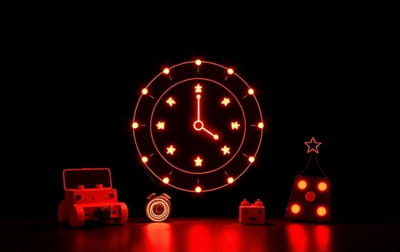
LED Used in Fancy Toys Emit The Role of LED Technology in Modern ToysLEDs (Light Emitting Diodes) have revolutionized various industries, including the world of toys. These tiny light sources are increasingly used in fancy toys to add visual appeal and enhance play experiences. LEDs in toys not only provide colorful effects but also contribute to energy efficiency, safety, and longevity. In this topic, we will explore how LEDs are used in fancy toys, the benefits they bring, and the future potential of LED technology in the toy industry.
Understanding LED Technology in Toys
LEDs are semiconductor devices that emit light when an electric current passes through them. Unlike traditional incandescent bulbs, LEDs are much smaller, use less power, and have a longer lifespan. These qualities make LEDs an ideal choice for modern toys, especially those designed for children.
In fancy toys, LEDs are often incorporated to create visually engaging effects such as flashing lights, color-changing patterns, or glowing features. This addition not only makes toys more attractive but also helps to stimulate children’s imagination and enhance their sensory experiences.
How LEDs are Used in Fancy Toys
LEDs are found in various types of fancy toys, ranging from simple light-up toys to more complex interactive gadgets. Here are some common applications of LEDs in toys
1. Light-Up Dolls and Action Figures
Many dolls and action figures now feature LED lights that illuminate certain parts of the toy, such as eyes, clothing, or accessories. These light-up elements are usually activated by pressing a button or interacting with the toy in some way. The addition of LEDs helps make the toy more dynamic and interactive, which enhances the overall play experience.
2. LED Toy Cars and Trains
LED lights are commonly used in toy cars and trains to create realistic effects. For instance, a toy car may have headlights and tail lights that light up when it moves. Similarly, toy trains often feature LED lights that simulate the appearance of real train signals or lights on the track. These features add a level of realism to the toys, making them more engaging for children.
3. Glow-in-the-Dark Toys
Some toys, such as action figures, board games, and building blocks, incorporate glow-in-the-dark features, which are powered by LEDs. These toys typically glow after being exposed to light, creating an exciting visual effect, especially in low-light environments. The LEDs in these toys allow them to glow brightly for an extended period, enhancing the overall play experience.
4. Interactive LED Games
In addition to traditional toys, LED technology is increasingly integrated into interactive games and puzzles. For example, certain memory or pattern recognition games use LEDs to display patterns or colors that players must match or replicate. These LED lights are central to the gameplay and provide immediate visual feedback, making the game more engaging.
Benefits of Using LEDs in Fancy Toys
The inclusion of LEDs in fancy toys brings numerous advantages, not only for the child using the toy but also for manufacturers and parents. Here are some key benefits of LED technology in toys
1. Energy Efficiency
One of the biggest advantages of LEDs is their energy efficiency. Unlike traditional light bulbs, which consume more power and generate heat, LEDs use less energy and produce less heat, making them safer for children. Additionally, LED-powered toys require fewer batteries, which helps reduce the environmental impact of frequent battery disposal.
2. Long Lifespan
LEDs are known for their long lifespan, lasting tens of thousands of hours. This longevity ensures that toys featuring LEDs remain functional for a longer time, even with regular use. Parents can save money by avoiding frequent replacements, and children can continue enjoying their favorite toys without the frustration of lights burning out.
3. Safety
LEDs are inherently safer than traditional light sources because they produce less heat. This is particularly important in toys that are often handled by young children. Overheating can pose a safety hazard, especially in plastic toys. With LEDs, there is minimal risk of burns or other heat-related injuries.
4. Customization and Variety
LEDs are available in a wide range of colors and can be programmed to display different patterns and effects. This allows toy manufacturers to create unique visual experiences tailored to specific age groups or themes. Whether it’s a flashing pattern, a color-changing effect, or a steady glow, LEDs provide a wealth of creative possibilities.
5. Durability
LEDs are solid-state devices, meaning they are more durable than fragile incandescent bulbs or other lighting options. This durability is important in toys, which are often dropped, tossed, or subjected to rough handling. LED lights are less likely to break or burn out, ensuring that the toy continues to function properly.
Environmental Impact of LED Technology in Toys
The use of LEDs in toys also has a positive impact on the environment. Traditional incandescent bulbs consume more energy and have a shorter lifespan, leading to increased waste and higher energy consumption. In contrast, LEDs are highly energy-efficient and long-lasting, which helps reduce the carbon footprint of toys that use them.
Furthermore, many toy manufacturers are now designing toys with environmentally friendly practices in mind, such as using recyclable materials and ensuring that LED components are free from harmful substances. As the demand for sustainable products grows, it is likely that more manufacturers will prioritize eco-friendly materials and energy-efficient technology in their toy designs.
Challenges and Considerations
While LED technology brings many advantages to fancy toys, there are also challenges to consider. For instance, the cost of incorporating LEDs into toys may be higher than using traditional lighting options. However, as LED technology continues to improve and become more widely adopted, the cost of LEDs is expected to decrease, making them more accessible for toy manufacturers.
Additionally, while LEDs are generally safe, it’s important for manufacturers to ensure that the toys are designed to be safe for children. This includes ensuring that LED components are securely enclosed to prevent exposure to small parts and that the electronics are well-insulated to prevent electrical hazards.
Future of LEDs in Toys
The future of LEDs in toys looks promising, with continuous advancements in technology making it possible to create more dynamic and interactive play experiences. Future innovations may include more advanced lighting effects, such as integrating LEDs with motion sensors, sound effects, or even augmented reality (AR) features.
As LED technology becomes even more versatile, we may see toys that offer immersive and highly personalized experiences, such as toys that adapt to a child’s behavior or preferences. This could lead to the creation of toys that are not only fun but also educational, encouraging creativity and problem-solving.
LED technology has transformed the toy industry, bringing new levels of excitement, energy efficiency, and safety to children’s playtime. Whether it’s a light-up doll, a glowing building block, or an interactive game, LEDs enhance the play experience by providing captivating visual effects that engage and stimulate children. As the demand for eco-friendly and energy-efficient products continues to rise, LEDs are likely to become an even more prominent feature in fancy toys, ensuring a brighter future for both playtime and the environment.
Incorporating LEDs into toys is not only a trend but also a testament to the possibilities that light technology offers for creativity and innovation in the toy industry. With their long lifespan, safety benefits, and endless design potential, LEDs are shaping the future of toys in exciting ways.


