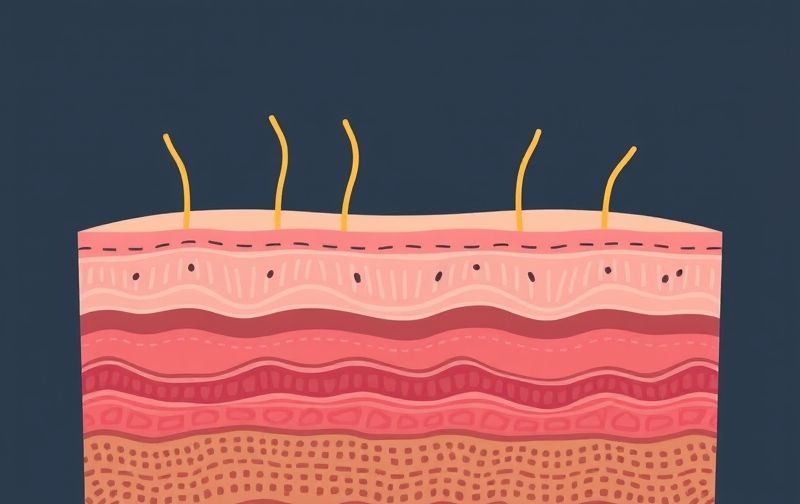
Is the Dermis Superficial to the Epidermis? Understanding Skin Layers and Their FunctionsThe human skin is a complex and essential organ that serves as the body’s first line of defense. It protects us from the external environment, helps regulate temperature, and allows us to feel touch. When studying the structure of the skin, two major layers are often mentioned the epidermis and the dermis. But which one is on top? Is the dermis superficial to the epidermis, or is it the other way around? Let’s explore the layers of the skin to clarify this question and understand their unique roles.
What Does Superficial Mean in Anatomy?
Before answering the main question, it’s important to define what ‘superficial’ means in anatomical terms. In this context, ‘superficial’ refers to a position closer to the surface of the body, while ‘deep’ refers to something located further inside.
So, when we ask if the dermis is superficial to the epidermis, we’re really asking is the dermis closer to the surface of the skin than the epidermis?
The Basic Structure of Human Skin
The skin consists of three primary layers, each with specific structures and functions
-
Epidermis – the outermost layer
-
Dermis – the middle layer
-
Hypodermis (also called subcutaneous tissue) – the deepest layer
Each of these layers plays a critical role in maintaining the health and protection of the body.
The Epidermis The Outer Shield
The epidermis is the topmost layer of the skin. It is the layer that we see and touch. Composed mainly of keratinocytes, the epidermis forms a waterproof barrier and is responsible for protecting the body from pathogens, UV radiation, and water loss.
This layer does not contain blood vessels. Instead, it gets its nutrients from the layer below, the dermis. The epidermis itself is made up of several sub-layers, with the stratum corneum being the outermost.
Key functions of the epidermis
-
Barrier protection
-
Skin tone (thanks to melanocytes)
-
Shedding and renewal of dead skin cells
The Dermis The Supportive Layer
Beneath the epidermis lies the dermis. It is a thicker and more complex layer made up of connective tissue, blood vessels, nerve endings, hair follicles, and sweat glands.
The dermis provides structure and flexibility to the skin. It also houses important components involved in temperature regulation, sensation, and immune defense.
The dermis has two main regions
-
Papillary dermis (upper region, just below the epidermis)
-
Reticular dermis (deeper and denser portion)
Key functions of the dermis
-
Blood circulation and nutrient supply
-
Sensory detection (touch, pain, temperature)
-
Elasticity and strength
-
Support for hair and sweat glands
So, Is the Dermis Superficial to the Epidermis?
The answer is no the dermis is not superficial to the epidermis. In fact, the epidermis is superficial to the dermis. The epidermis lies on top of the dermis and serves as the body’s external barrier.
In simpler terms
-
Epidermis = Outer layer (superficial)
-
Dermis = Inner layer (deeper)
Understanding this basic anatomical relationship is important not only in biology but also in skincare, medicine, and cosmetic treatments.
Importance of the Dermis Despite Being Deeper
Even though the dermis is not the most superficial layer, it plays a major role in keeping the skin healthy and functional. Without the dermis
-
The epidermis would lack nutrients and oxygen.
-
Sensory signals would not reach the brain.
-
The skin would not be able to heal properly after injury.
The dermis also contains collagen and elastin, two proteins responsible for the skin’s strength and elasticity. This is why the dermis is often the target of anti-aging skincare products and dermatological treatments.
Skin Conditions Involving the Dermis and Epidermis
Several skin conditions involve one or both of these layers. For example
-
Burns First-degree burns affect only the epidermis, while second-degree burns reach the dermis. Third-degree burns go deeper into the hypodermis.
-
Psoriasis Affects the epidermis, causing rapid skin cell turnover and inflammation.
-
Eczema Can involve inflammation in both the epidermis and dermis, leading to itching and redness.
Understanding which layer is affected helps doctors determine treatment and care.
How Skin Regenerates
The skin is in a constant state of renewal. New cells are formed in the basal layer of the epidermis and gradually move upward, replacing old, dead cells on the surface.
Meanwhile, the dermis supports this process by supplying nutrients and removing waste. Fibroblast cells in the dermis also help repair wounds and build connective tissue.
Summary Key Takeaways
-
The epidermis is the outermost (superficial) layer of the skin.
-
The dermis lies underneath the epidermis and is therefore deeper.
-
Superficial means closer to the surface; in this case, the epidermis is superficial to the dermis.
-
The dermis supports vital functions such as sensation, blood flow, and elasticity.
-
Both layers are essential to maintaining healthy, functional skin.
Understanding the structure of the skin helps us appreciate how our bodies protect and regulate themselves. Knowing which layer is superficial and which is deeper may seem like a small detail, but it has big implications in health, skincare, and medicine.