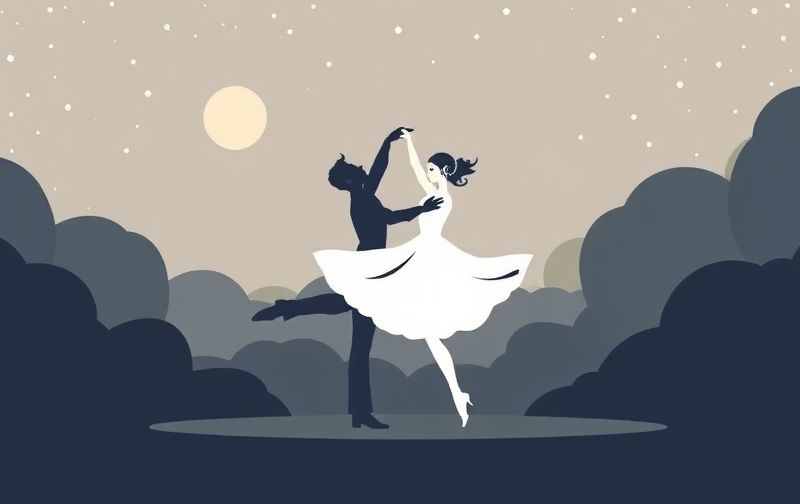
Is Romeo and Juliet a Ballet? Exploring the Classic Tale Through DanceWilliam Shakespeare’s Romeo and Juliet is widely known as a tragic love story told through poetic language and dramatic scenes. But many people wonder is Romeo and Juliet a ballet? The answer is yes. This iconic tale has been transformed into several famous ballets, offering a new way to experience the emotion, tension, and beauty of the story through music and movement.
What Is the Romeo and Juliet Ballet?
Romeo and Juliet as a ballet is a full-length performance based on Shakespeare’s original play. Instead of dialogue, the characters express themselves through dance. The ballet retains the main storyline, focusing on the forbidden love between Romeo Montague and Juliet Capulet, their families’ bitter feud, and the tragic outcome of their romance.
This ballet adaptation allows audiences to feel the emotion and drama of the story without spoken words, relying instead on choreography, music, and visual storytelling.
The Most Famous Romeo and Juliet Ballet
One of the most well-known versions of the ballet was composed by Sergei Prokofiev in 1935. His powerful and emotionally rich score has become a staple in the world of classical music. The Prokofiev ballet premiered in 1938 and is now performed by major ballet companies around the world.
This version features dramatic scenes, including the famous balcony pas de deux, the fight between Tybalt and Mercutio, and the heart-wrenching final scene in the Capulet tomb. Prokofiev’s music brings these moments to life, making the story even more vivid through orchestral expression.
How Is the Story Told in Ballet Form?
Since there are no spoken words in ballet, the characters’ feelings and relationships are expressed through movement, facial expressions, and musical cues. Choreographers design steps and gestures that capture the spirit of each character and scene.
For example, Romeo and Juliet’s first meeting is often portrayed through graceful, flowing movements that show their instant connection. In contrast, fight scenes between the Montagues and Capulets are full of sharp, aggressive choreography.
This physical storytelling allows viewers to understand the plot even if they’ve never read the play or watched a theater version.
Key Characters and Roles in the Ballet
The main characters in the ballet are the same as in the play
-
Romeo A passionate and romantic young man who falls deeply in love with Juliet.
-
Juliet A sensitive and courageous girl torn between her love for Romeo and loyalty to her family.
-
Tybalt Juliet’s fiery cousin, who represents the violence and anger between the families.
-
Mercutio Romeo’s witty and energetic friend, whose tragic death sets a turning point in the story.
-
Friar Laurence A gentle figure who tries to help the lovers, often depicted in solemn or dramatic choreography.
Dancers must not only perform technically demanding moves but also act through their bodies to bring these characters to life.
Costumes, Sets, and Atmosphere
Ballet versions of Romeo and Juliet often feature elaborate sets and costumes to recreate the feel of Renaissance Italy. The Capulet ballroom, the Verona streets, and Juliet’s bedroom are key settings that are visually represented on stage.
Lighting and staging play a huge role in setting the tone warm lights for romantic scenes, dark hues for moments of sorrow or conflict. These visual elements work with the music and dancing to create an immersive experience.
Different Choreographic Interpretations
Over the years, many choreographers have created their own interpretations of Romeo and Juliet. Each version emphasizes different themes, emotions, or styles of movement.
Some versions are more classical, sticking to traditional ballet techniques, while others include modern or contemporary elements. For example, Kenneth MacMillan’s version for The Royal Ballet is known for its emotional intensity and realistic approach, while other choreographers may focus more on abstract or symbolic storytelling.
Each production offers a fresh perspective while staying true to the core of Shakespeare’s tragedy.
Why Has Romeo and Juliet Been Adapted into Ballet?
There are several reasons why Romeo and Juliet works so well as a ballet
-
Emotional Depth The story’s themes love, fate, conflict, and tragedy are universal and deeply emotional, making them ideal for expression through dance.
-
Strong Visuals The play includes many dramatic and memorable moments, such as the balcony scene or the lovers’ final embrace, which lend themselves beautifully to choreography.
-
Musical Power Prokofiev’s score captures the highs and lows of the story with sweeping melodies and intense rhythms, enhancing the emotional impact.
-
Timeless Appeal Just like the play, the ballet continues to speak to audiences across generations and cultures.
How to Watch a Romeo and Juliet Ballet Performance
If you’re interested in seeing Romeo and Juliet as a ballet, many ballet companies perform it regularly. You can check local theaters, opera houses, or dance festivals for upcoming productions. Some performances are also available online or as recordings, allowing you to enjoy the experience from home.
Watching a ballet version of Romeo and Juliet is a great way to appreciate the art of dance while revisiting a timeless story in a new format.
Is the Ballet Suitable for All Ages?
The ballet adaptation of Romeo and Juliet is generally suitable for older children and adults. While it includes dramatic and emotional content, it’s presented through dance rather than graphic visuals. Many productions are family-friendly, though some scenes like the fight sequences or the ending can be intense.
Parents should consider their child’s sensitivity to dramatic themes, but overall, the ballet is a powerful way to introduce young audiences to both classical music and literature.
Conclusion Romeo and Juliet as a Ballet
Yes, Romeo and Juliet is indeed a ballet one that has captured the hearts of audiences worldwide. Through expressive dance, moving music, and thoughtful staging, the ballet brings new life to Shakespeare’s famous tale. It’s more than just a retelling; it’s a visual and emotional journey that connects deeply with viewers, whether they’re seasoned ballet fans or newcomers to the art form.
Experiencing Romeo and Juliet as a ballet offers a unique and unforgettable perspective on a story that continues to inspire and move us today.


