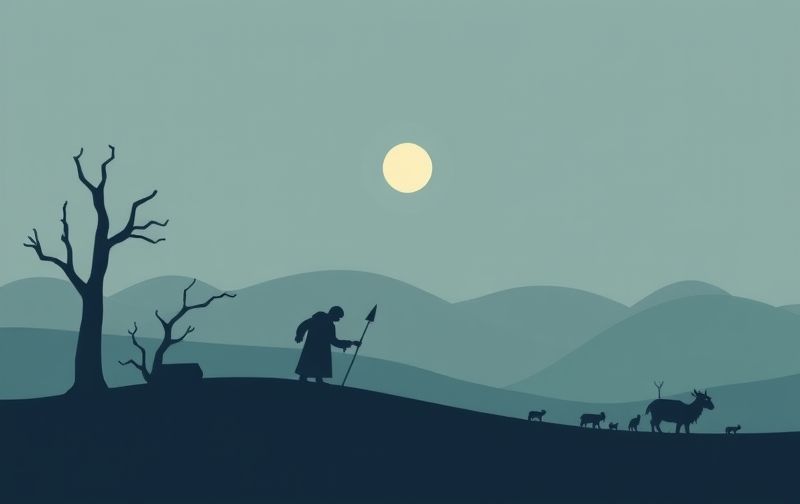
How to Start a Folktale A Simple Guide to Crafting Engaging Traditional StoriesFolktales are an important part of cultural heritage. They carry lessons, entertain, and connect generations through storytelling. If you want to learn how to start a folktale effectively, it helps to understand the key elements that make these stories captivating and timeless. This guide will take you through the basics of beginning a folktale, with tips and examples to help you craft your own tale that grabs attention from the very first line.
What is a Folktale?
Before diving into how to start a folktale, it’s useful to know what a folktale is. Folktales are traditional stories passed down orally through generations. They often include themes like morality, bravery, cleverness, or supernatural events. Common characters include heroes, tricksters, animals, and mythical beings.
Folktales vary widely across cultures but share a universal appeal because they teach lessons and entertain at the same time.
The Importance of a Strong Beginning
The start of your folktale sets the tone and captures the listener’s interest. A good opening invites curiosity and prepares the audience for the story that unfolds. Since folktales were traditionally told aloud, beginnings are often rhythmic, repetitive, or use familiar phrases to draw people in.
Classic Ways to Start a Folktale
Many folktales begin with a recognizable phrase or structure. These traditional openings signal that a story is about to be told, creating a comfortable space for the listener. Some popular openings include
-
Once upon a time… This timeless phrase signals a story set in an unspecified, often magical past.
-
Long ago, in a faraway land… This sets the scene and evokes a sense of mystery and adventure.
-
There was once… Simple and direct, introducing a character or setting immediately.
Using one of these familiar starters can help your audience feel at ease and ready to listen.
How to Create Your Own Unique Folktale Opening
While traditional phrases work well, creating an original start can make your folktale stand out. Here are some techniques to craft a captivating beginning
1. Introduce an Interesting Character
Begin by naming a character with a unique trait or problem. This can grab attention and build empathy right away.
Example In a village nestled between towering mountains lived a boy who could speak to animals.
2. Set the Scene with Vivid Description
Paint a picture of the world your story takes place in, using sensory details that invite listeners to imagine the setting.
Example Beneath the endless sky, where rivers sang and forests whispered secrets, there was a hidden kingdom.
3. Start with a Question or Mystery
Beginning with a question makes the audience curious about what will happen next.
Example Have you ever wondered what happens when the moon disappears from the night sky?
4. Use Repetition or Rhythm
Folktales often use repeated words or rhythms to engage listeners and help them remember the story.
Example Deep, deep in the forest, dark, dark in the night, a secret waited to be discovered.
Key Elements to Include in Your Folktale Beginning
To make your folktale’s start strong, include these important components
-
Time and Place Give a hint about when and where the story happens, even if it’s vague or magical.
-
Main Character Introduce the protagonist or key figure early on.
-
Conflict or Goal Suggest a problem or quest that the character will face.
-
Mood and Tone Establish whether the story is mysterious, funny, scary, or hopeful.
Examples of Effective Folktale Openings
Here are a few sample openings that illustrate different ways to start your folktale
-
Once upon a time, there was a clever fox who outwitted every hunter in the forest.
-
In a land where the sun never set, a lonely princess dreamed of adventure beyond her palace walls.
-
Long ago, before people knew the stars, a young girl set out to catch the light of the first firefly.
-
There was once a village where laughter had disappeared, and only one child could bring it back.
These openings immediately set the stage and create interest in what happens next.
Tips for Writing a Folktale Beginning That Connects
-
Keep your language simple and clear; folktales are meant to be understood by everyone.
-
Use imagery that appeals to the senses to help listeners visualize the story.
-
Consider the audience you are telling the story to children, adults, or a mixed group and tailor your opening accordingly.
-
Practice telling your folktale aloud to see how the opening flows and sounds.
What to Avoid When Starting a Folktale
-
Don’t start with too much background or details that slow down the story.
-
Avoid complicated or modern language that can confuse the audience.
-
Don’t reveal the ending or main events too early keep some mystery.
How to Continue Your Folktale After the Opening
Once you have a strong beginning, the next step is to build your story’s events clearly and excitingly. Introduce challenges for your characters, include dialogue or action, and lead toward a meaningful conclusion. Remember, folktales often have a moral or lesson, so keep that in mind as you develop the plot.
Conclusion The Magic of Starting a Folktale Right
Starting a folktale well is about inviting your audience into a world full of wonder, lessons, and adventure. Whether you use a traditional phrase or craft a unique opening, your goal is to spark curiosity and set the stage for the story you want to tell.
By focusing on clear language, interesting characters, and a strong setting, you can create a folktale beginning that captures hearts and minds just like the timeless stories passed down through generations. With practice and creativity, your folktale will become a memorable part of storytelling tradition.


