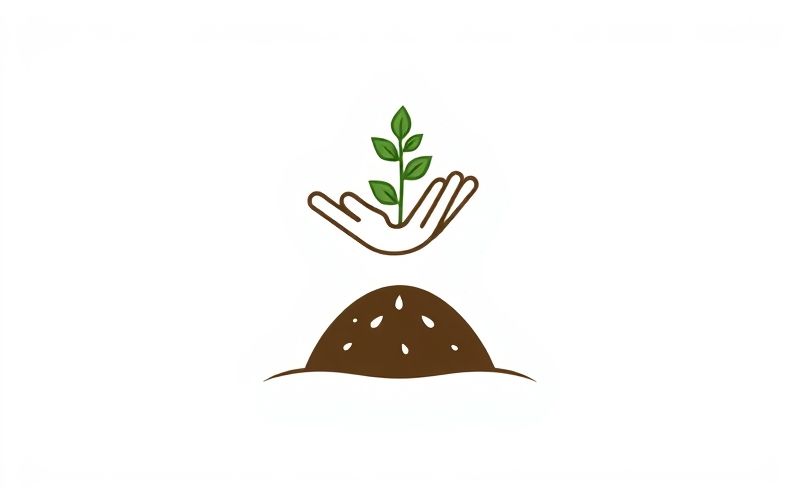
How to Plant a Seedling A Simple Guide for Thriving PlantsPlanting seedlings is an essential part of gardening that allows you to grow beautiful flowers, vegetables, and shrubs in your garden. Whether you’re a beginner or an experienced gardener, learning how to plant a seedling properly is key to ensuring healthy, thriving plants. This guide will walk you through the steps of planting seedlings, from preparation to care, so you can enjoy the rewards of your hard work.
What is a Seedling?
A seedling is a young plant that has grown from a seed but is still in the early stages of development. Seedlings typically have small leaves and a tender stem, making them vulnerable to environmental stress. This is why planting them with care and attention to detail is important for their survival and growth.
Why Plant Seedlings?
Planting seedlings instead of seeds has its advantages
-
Faster Growth Seedlings are already developed to a certain point, so they will grow faster compared to starting from seed.
-
Better Control You can choose strong, healthy seedlings from a nursery, giving you more control over the quality of your plants.
-
Easier Transplanting Seedlings are easier to handle than delicate seeds, and they are already acclimated to the environment in the nursery, making them more resilient when you transplant them.
Tools You’ll Need for Planting Seedlings
Before planting your seedlings, make sure you have the right tools on hand
-
Trowel or Small Spade For digging holes and moving soil.
-
Watering Can or Hose To water the seedlings gently after planting.
-
Gloves (Optional) To protect your hands from soil and potential thorns.
-
Compost or Fertilizer (Optional) To enrich the soil for better plant growth.
Step-by-Step Guide to Planting a Seedling
1. Choose the Right Location
Before planting your seedlings, it’s important to select an appropriate location. Different plants have different light, soil, and spacing requirements. Consider the following
-
Light Requirements Make sure the location receives the right amount of sunlight for the specific plant species. Some seedlings need full sunlight, while others thrive in partial shade.
-
Soil Quality Check the soil for its texture and drainage. Loamy, well-draining soil is ideal for most seedlings.
-
Space Ensure there is enough room for the plant to grow to its full size without overcrowding other plants.
2. Prepare the Soil
Soil preparation is one of the most important steps in planting seedlings. Good soil ensures the plants will have enough nutrients, proper drainage, and root room to grow. Here’s how to prepare the soil
-
Loosen the Soil Use a trowel or small spade to loosen the soil in the planting area. This helps the roots spread more easily and promotes better water absorption.
-
Amend the Soil (Optional) Depending on your soil’s quality, you may want to add compost, organic matter, or a slow-release fertilizer to improve soil fertility. This provides the seedlings with the nutrients they need to grow strong and healthy.
-
Check for Drainage Ensure that the soil drains well by testing it with a little water. If the water puddles and does not soak in, you may need to amend the soil further to improve drainage.
3. Dig the Planting Hole
Once the soil is prepared, it’s time to dig a hole for your seedling. The hole should be
-
Twice as Wide as the Root Ball The hole should be wide enough to accommodate the seedling’s root system comfortably without crowding.
-
The Same Depth as the Root Ball The hole should be deep enough so that the seedling’s root ball sits level with the surrounding soil. Avoid planting too deep, as this can suffocate the roots.
4. Remove the Seedling from its Container
Carefully remove the seedling from its nursery container. Here are some tips
-
Gently Loosen the Roots If the seedling is tightly packed in its container, gently squeeze the sides to loosen the roots. You can also use your fingers to carefully separate the roots if they are tangled.
-
Handle with Care Be gentle while handling the seedling, especially with its fragile stem and leaves. Avoid pulling on the stem; instead, tip the container and let the plant slide out naturally.
5. Place the Seedling in the Hole
Once you’ve prepared the seedling, place it in the hole
-
Position the Seedling Correctly Position the seedling so that its root ball is level with the surrounding soil. If the seedling is planted too deep, it can suffocate, and if it’s too high, the roots may dry out.
-
Straighten the Stem Make sure the stem is straight and not bent. The seedling should be upright in the hole, with no twisting or leaning.
6. Fill the Hole with Soil
After positioning the seedling, fill the hole with soil
-
Firm the Soil Around the Roots Gently fill in the hole with soil, pressing lightly to eliminate air pockets. Avoid compacting the soil too much, as this can restrict root growth and water flow.
-
Water Immediately Once the hole is filled, water the seedling thoroughly to settle the soil and help the roots establish themselves. Use a watering can or hose with a gentle spray to avoid disturbing the newly planted seedling.
7. Mulch Around the Base (Optional)
Applying mulch around the base of your seedling offers several benefits
-
Moisture Retention Mulch helps retain moisture in the soil, reducing the need for frequent watering.
-
Weed Control A layer of mulch can help suppress weeds, which compete with your seedling for nutrients.
-
Temperature Regulation Mulch keeps the soil temperature stable, protecting the roots from extreme heat or cold.
Apply a 2-3 inch layer of mulch, but avoid piling it directly against the stem of the plant to prevent rot.
Aftercare for Newly Planted Seedlings
Once your seedling is planted, it’s important to provide proper care to help it adjust to its new environment. Here are some tips
-
Water Regularly Keep the soil consistently moist, especially during dry periods. However, avoid overwatering, as this can lead to root rot.
-
Fertilize Depending on the plant type, you may want to fertilize the seedling a few weeks after planting. Use a balanced, slow-release fertilizer for the best results.
-
Protect from Pests Keep an eye out for pests that may damage the young seedling. Use natural pest control methods or organic pesticides as needed.
-
Monitor Growth Watch the seedling as it grows. If it starts to show signs of stress, such as yellowing leaves or wilting, it may need adjustments in watering or sunlight.
Planting a seedling is a straightforward but important task for any gardener. By following these steps carefully from selecting the right location to providing ongoing care you can help your seedlings grow into healthy, thriving plants. With proper attention and patience, your garden will flourish with vibrant blooms or delicious vegetables in no time. Happy planting!