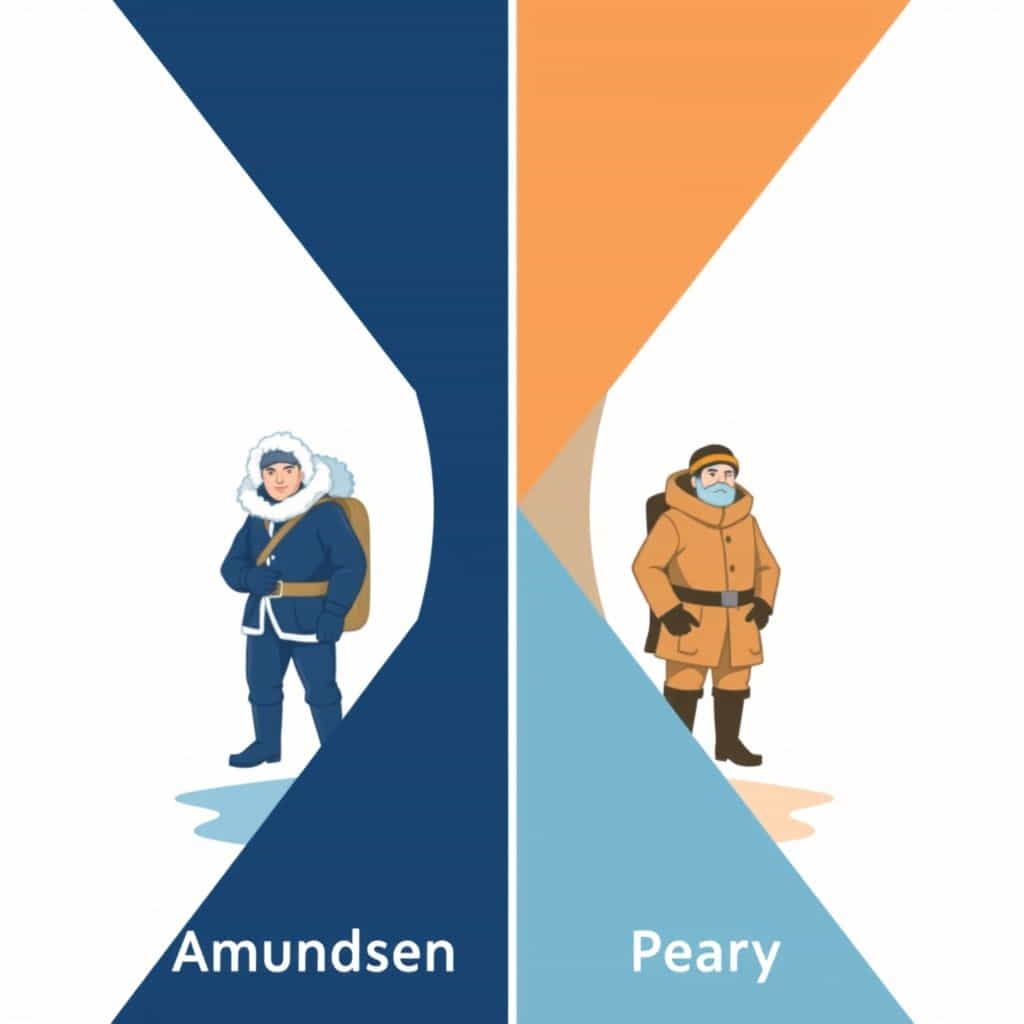
The Differences Between Roald Amundsen and Robert Peary Two Icons of Polar ExplorationRoald Amundsen and Robert Peary are two of the most well-known explorers in history, celebrated for their audacious journeys to the poles. Each man set out on daring expeditions that have left lasting marks on the world of exploration. However, their personalities, approaches to exploration, and methods of achieving their goals were notably different. In this topic, we will explore the key differences between the two men, focusing on their characters, leadership styles, and legacies.
Roald Amundsen The Methodical Planner
Roald Amundsen, a Norwegian explorer, is best known for being the first person to successfully reach the South Pole. His journey to the South Pole in 1911 remains one of the greatest achievements in the history of exploration. Amundsen was a meticulous planner, known for his strategic thinking, attention to detail, and preparation. He approached his expeditions with a scientific mindset, considering all possible challenges and risks before setting out.
Key Character Traits
-
Pragmatic and Strategic Amundsen’s character was marked by careful planning and pragmatism. He carefully studied the techniques of previous explorers and tailored his methods to maximize his chances of success. For instance, he adopted the use of sled dogs, which he believed were the best means of transportation in the harsh conditions of the Arctic and Antarctic regions.
-
Leadership Style As a leader, Amundsen was focused and disciplined. He made sure that his team was well-prepared for every challenge they would face, from the weather to the physical demands of the journey. His leadership was based on respect and clear expectations, and he managed to maintain morale throughout the difficult and dangerous journey to the South Pole.
-
Cautious Approach Unlike some other explorers, Amundsen was not driven by the need for fame or recognition. His primary goal was always to achieve success, not necessarily to be the first to do so. His careful nature and thorough planning made his expeditions more successful in the long run.
Robert Peary The Ambitious Pioneer
Robert Peary, an American explorer, is famously credited with reaching the North Pole in 1909. His character, while also one of determination and courage, was very different from that of Amundsen. Peary’s expeditions were marked by ambition, controversy, and a fierce determination to claim the North Pole as his own.
Key Character Traits
-
Ambitious and Competitive Peary was known for his intense desire to be the first to reach the North Pole, a goal that consumed much of his life. His ambition often led him to make risky decisions and take on dangerous expeditions in pursuit of this goal. He was driven by the need to make history and achieve recognition for his efforts.
-
Controversial Leadership Peary’s leadership style has been the subject of much debate. He was a strict and authoritarian leader, with a focus on getting results at all costs. He was known to have made decisions that were sometimes questionable, including leaving behind members of his team during his North Pole expedition. Some critics argue that his leadership was harsh, and his methods did not always prioritize the well-being of his team.
-
Self-Promoting Peary’s character was also marked by a desire for personal glory. He was very vocal about his achievements and made sure to take credit for his accomplishments, sometimes in ways that seemed self-serving. This characteristic has led some to question the authenticity of his claim to the North Pole, especially given the controversies surrounding the final stages of his journey.
Key Differences in Their Approaches to Exploration
Amundsen and Peary’s methods of exploration were shaped by their personalities and leadership styles. These differences played a significant role in the outcomes of their respective expeditions.
Preparation and Planning
Amundsen was famous for his extensive preparation before embarking on any expedition. He spent years studying polar exploration and learning from the successes and failures of other explorers. This careful preparation paid off in his successful mission to the South Pole.
In contrast, Peary’s expeditions were often rushed, and he was criticized for underestimating the challenges of the Arctic. His focus on achieving the goal of reaching the North Pole sometimes led him to overlook the finer details, such as the well-being of his team members.
Team Dynamics and Leadership
Amundsen’s leadership style was focused on maintaining the health, safety, and morale of his team. He valued cooperation and ensured that each member of his team was well-equipped for the journey ahead. Amundsen’s careful attention to detail helped him maintain a unified and successful team.
Peary, however, had a more authoritarian leadership style, which resulted in strained relationships with some of his team members. His obsession with reaching the North Pole led him to make decisions that were sometimes harsh and controversial, such as leaving team members behind. This aspect of his leadership raised questions about the ethical considerations of his methods.
The Controversies Legacy of Doubt
While both Amundsen and Peary are celebrated as great explorers, their achievements were not without controversy. Peary’s claim to have reached the North Pole has been challenged over the years. Some critics argue that Peary’s final push to the pole may have been exaggerated or that he may not have reached the exact location he claimed. His reliance on a small group of men and his decision to continue the journey despite growing challenges have left doubts about the veracity of his achievement.
On the other hand, Amundsen’s legacy has generally remained free from such doubt. His meticulous planning, scientific approach, and the thorough documentation of his journey to the South Pole have solidified his place in history as one of the greatest explorers of all time.
Conclusion Two Different Paths to Exploration
Roald Amundsen and Robert Peary were both determined, courageous explorers who pushed the boundaries of human endurance in their respective journeys to the poles. However, their characters and approaches to exploration were significantly different. Amundsen was methodical, cautious, and focused on the success of his team, while Peary was ambitious, competitive, and driven by personal glory.
In the end, both men left lasting legacies in the world of exploration, but their contrasting personalities and leadership styles serve as important lessons in the history of polar expeditions. Amundsen’s careful preparation and respect for his team contributed to his success, while Peary’s ambition and controversial methods raised questions about the ethics of his achievements.
These differences between Amundsen and Peary highlight the diverse paths that can lead to success in exploration, and they remind us that the qualities of a leader whether humility, ambition, or pragmatism play a pivotal role in shaping the outcome of their endeavors.


