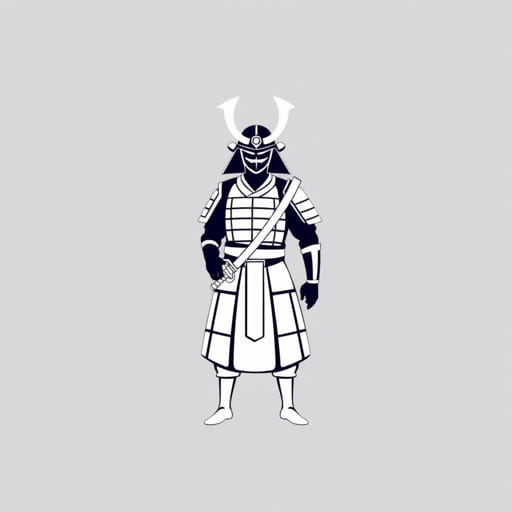
In the late 16th century, during a time when Japan was still largely isolated from the rest of the world, an extraordinary figure emerged on the historical stage: Yasuke. Unlike the native-born warriors of feudal Japan, Yasuke was of African origin, and his presence among the samurai class has captivated historians, writers, and the general public for centuries. Questions surrounding his identity, status, and legacy have persisted through time. Was Yasuke truly a samurai? His life story reveals a fascinating blend of myth and fact, colored by cross-cultural encounters and Japan’s tumultuous Sengoku period. This topic explores Yasuke’s background, his association with the legendary warlord Oda Nobunaga, and the extent to which he can be considered a true samurai.
Historical Context: Japan in the 16th Century
The Sengoku period, spanning from the mid-15th to early 17th centuries, was marked by political fragmentation, constant warfare, and the rise of powerful daimyōs (feudal lords) competing for dominance. It was also a time of increasing foreign contact. Portuguese traders and Jesuit missionaries arrived on Japanese shores in the mid-1500s, bringing firearms, Christianity, and individuals from distant parts of the world. These encounters set the stage for one of the most unusual stories in samurai history.
The Arrival of Yasuke in Japan
Yasuke is believed to have arrived in Japan around 1579. His real name and birthplace remain uncertain, but many scholars suggest he was from the eastern coast of Africa, possibly from Mozambique, and traveled to Japan as a servant or bodyguard of Jesuit missionary Alessandro Valignano. Yasuke’s physical appearance caused a sensation in Japan; it was said that people gathered in crowds just to catch a glimpse of him. His dark skin was so unfamiliar that rumors claimed he had been painted with ink until he washed himself before the stunned crowd, proving otherwise.
Meeting Oda Nobunaga
Yasuke’s fate changed dramatically when he met Oda Nobunaga, one of the most powerful and ambitious warlords of the era. Nobunaga, known for his open-mindedness and appreciation of novelty, was reportedly impressed by Yasuke’s strength, intelligence, and stature he stood over six feet tall, towering over most Japanese men of the time. Nobunaga took Yasuke into his service, an extraordinary move that granted the African visitor unprecedented status.
Yasuke’s Role in Nobunaga’s Retinue
Historical records suggest that Yasuke was treated with great respect by Nobunaga. He was provided with a residence, a short katana, and servants. These privileges were not extended to common servants or entertainers, indicating a high level of esteem. Yasuke attended important meetings and even accompanied Nobunaga on military campaigns. The fact that he was given a weapon and fought alongside samurai further strengthens the claim that he was more than just a novelty or a bodyguard he was accepted as part of the warrior class, at least in practice.
Was Yasuke Officially a Samurai?
To determine whether Yasuke was a true samurai, it’s important to understand what being a samurai entailed. Samurai were members of the military nobility and followed a strict code of conduct called bushidō. They were expected to be loyal, skilled in combat, and serve their lord with honor. While Yasuke may not have gone through the traditional training from childhood or inherited the status by birth, he fulfilled many of the expectations of a samurai in service.
- He served a daimyō directly.
- He was given a sword and armor.
- He participated in battles and strategic meetings.
- He earned trust and status within the lord’s household.
While Yasuke may not have had the formal title or social background of a samurai, his role, behavior, and treatment fit within the boundaries of what the term represented in the 16th century.
The Fall of Nobunaga and Yasuke’s Fate
Yasuke’s samurai journey came to an abrupt end in 1582, when Oda Nobunaga was betrayed and forced to commit seppuku by one of his generals, Akechi Mitsuhide. Yasuke fought bravely to protect Nobunaga’s son, Oda Nobutada, but was eventually captured. Mitsuhide reportedly refused to kill Yasuke, claiming he was not truly Japanese and was therefore not bound by samurai customs. Instead, Yasuke was handed over to the Jesuits. After this point, historical records of Yasuke vanish, leaving his later life shrouded in mystery.
The Legacy of Yasuke
Despite the gaps in historical detail, Yasuke’s story has endured as a symbol of diversity and the unexpected intersections of global history. In recent years, his life has inspired books, films, television series, and even anime. Yasuke represents a unique moment when race, culture, and tradition collided in a way that challenged societal norms.
Cultural Impact and Modern Recognition
Yasuke’s recognition in modern media reflects growing interest in stories that highlight the global nature of history. His narrative counters the traditional image of samurai as exclusively Japanese and emphasizes how foreign influence shaped even the most iconic institutions of Japanese society. Yasuke has become a figure of empowerment and curiosity, celebrated in popular culture not only for his uniqueness but also for his bravery and loyalty.
Was Yasuke a Samurai?
The question of whether Yasuke was a samurai cannot be answered with a simple yes or no. He was not born into the samurai class, nor did he follow the conventional path. Yet, by virtue of his role, actions, and the recognition he received from one of Japan’s most powerful warlords, Yasuke embodied the spirit of the samurai. His story challenges rigid definitions and invites us to consider a broader view of history one where identity and legacy are shaped not only by birth but by courage, loyalty, and honor.
In the end, Yasuke remains an extraordinary figure who defied expectations and carved a place for himself in the annals of Japanese history. Whether officially called a samurai or not, Yasuke lived and fought like one, and that legacy continues to inspire admiration and respect across the world.


